Portugal's appeal extends far beyond the familiar streets of Lisbon and Porto. Across the country, centuries of history, artistic traditions, exceptional gastronomy and extraordinary landscapes reveal a more personal side of Portugal.
From a privately opened palace in the Alentejo to a contemporary artist's atelier in Lisbon, the Atlantic coastline of Comporta and a secluded gastronomic experience in the Douro Valley, these four destinations offer a different perspective on the country, connecting travelers with the people, places and traditions that make each region unique.
Alentejo: The Soul of Portugal
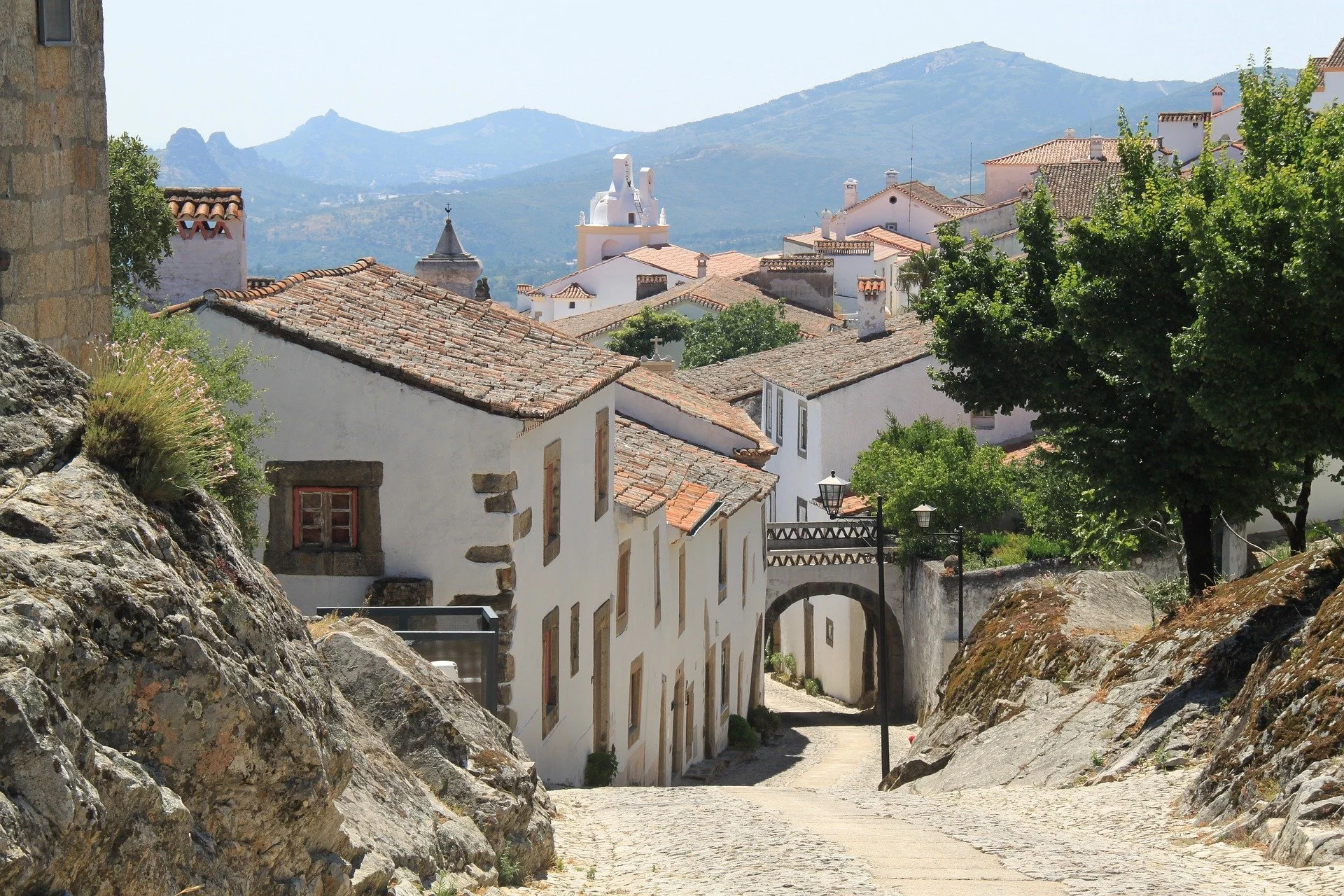
Beyond Lisbon, the landscape begins to change. Cities give way to vast plains, olive groves, vineyards and cork oak forests, punctuated by hilltop villages of whitewashed houses and medieval walls.
This is the Alentejo, a region with a rhythm and identity entirely its own. Its connection to the land is reflected in its traditional villages, centuries-old estates and a cuisine built around olive oil, bread, aromatic herbs, regional cheeses and wine.
At its heart lies Évora, a UNESCO World Heritage city whose history stretches back more than two thousand years. Roman remains, medieval streets and historic residences reveal the many civilizations that have shaped this corner of Portugal.
Here, guests can discover the Palácio dos Duques de Cadaval, an extraordinary aristocratic residence that has belonged to the same family for centuries.
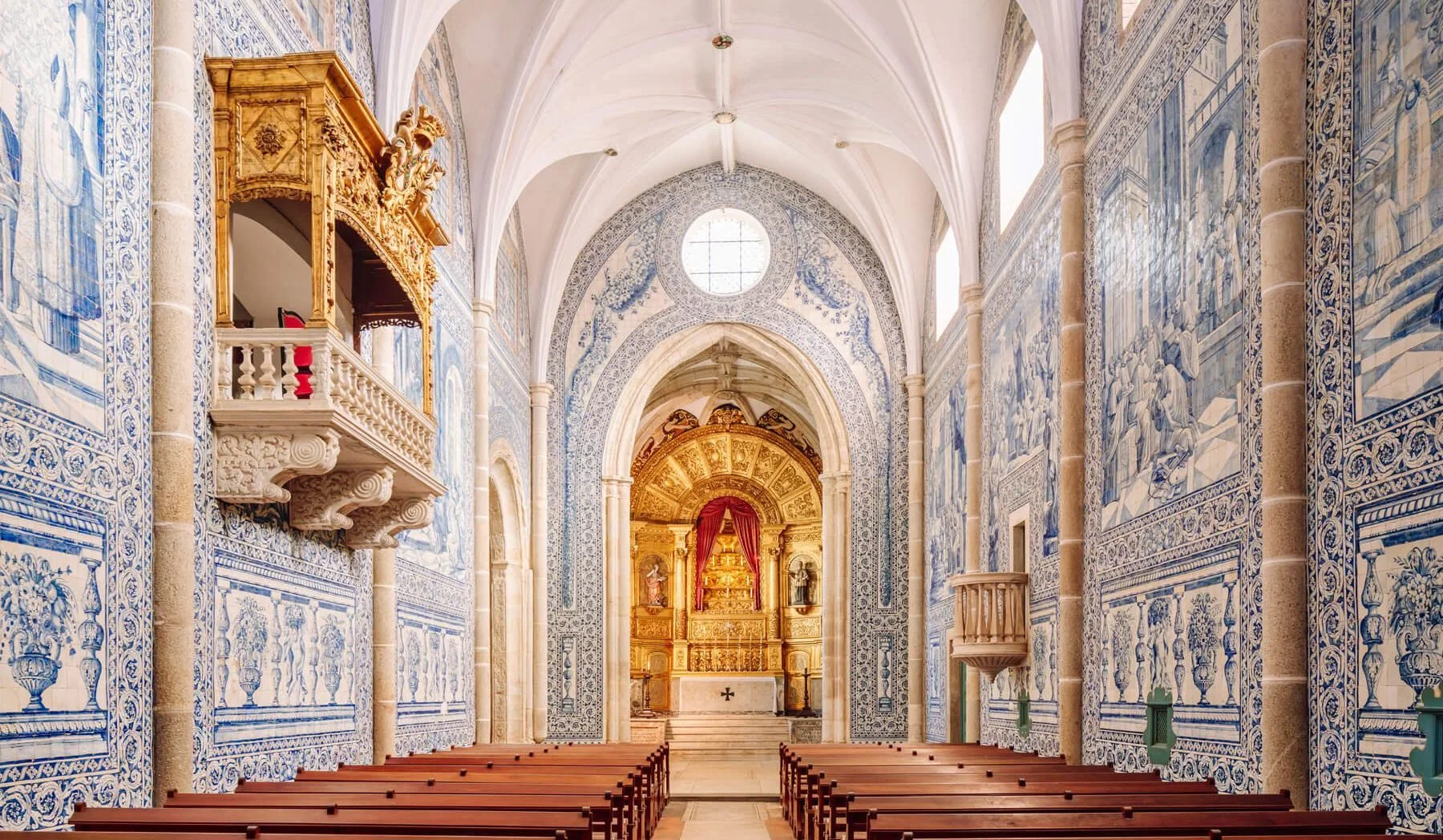
Through an exclusive private visit, guests can be personally welcomed by the Duchess of Cadaval, discovering the palace, its art collections and the stories behind its historic rooms through someone whose family heritage is intimately connected to the residence.
The experience can also include a private lunch or dinner, transforming a palace visit into a personal encounter with Portuguese history and aristocratic life.
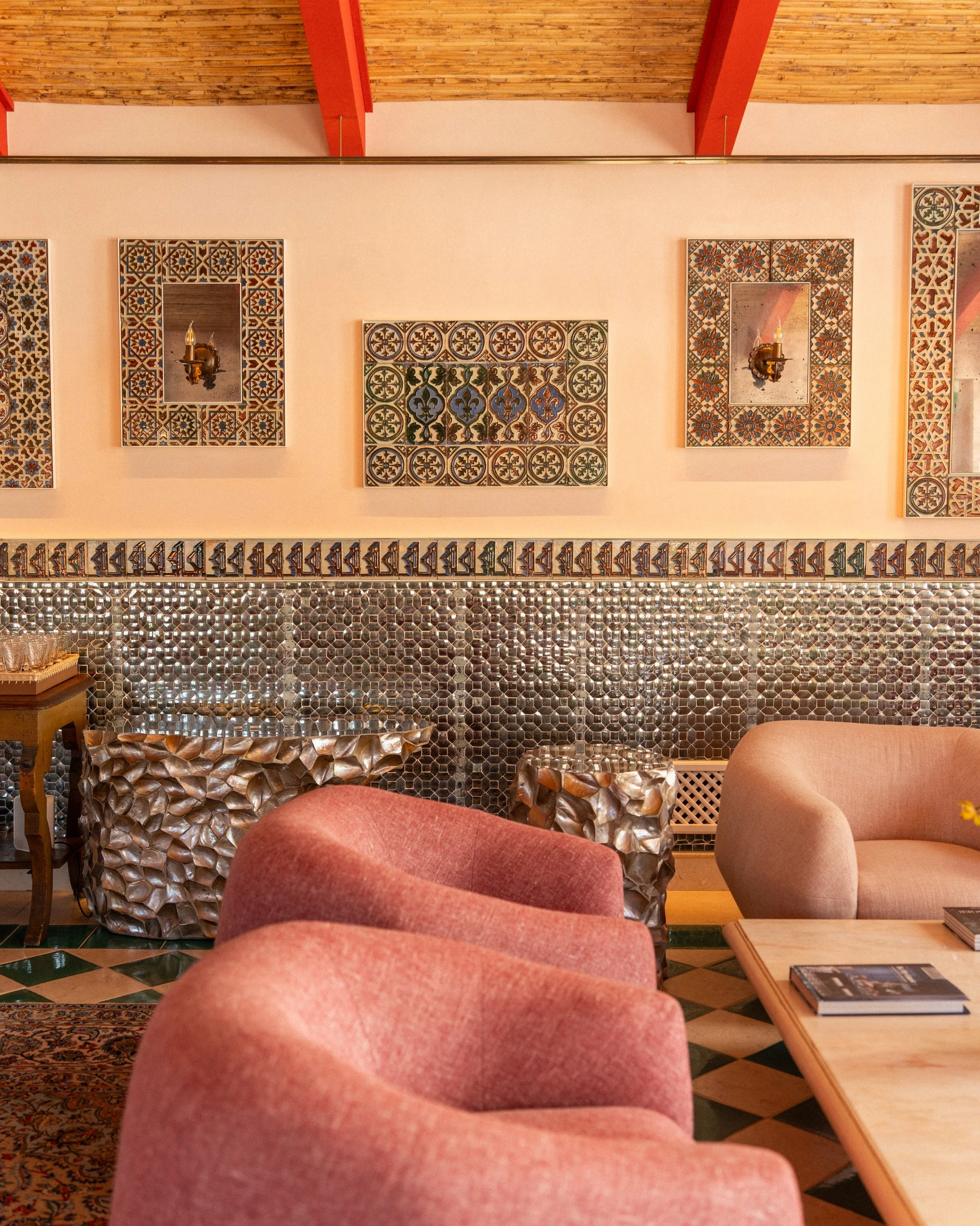
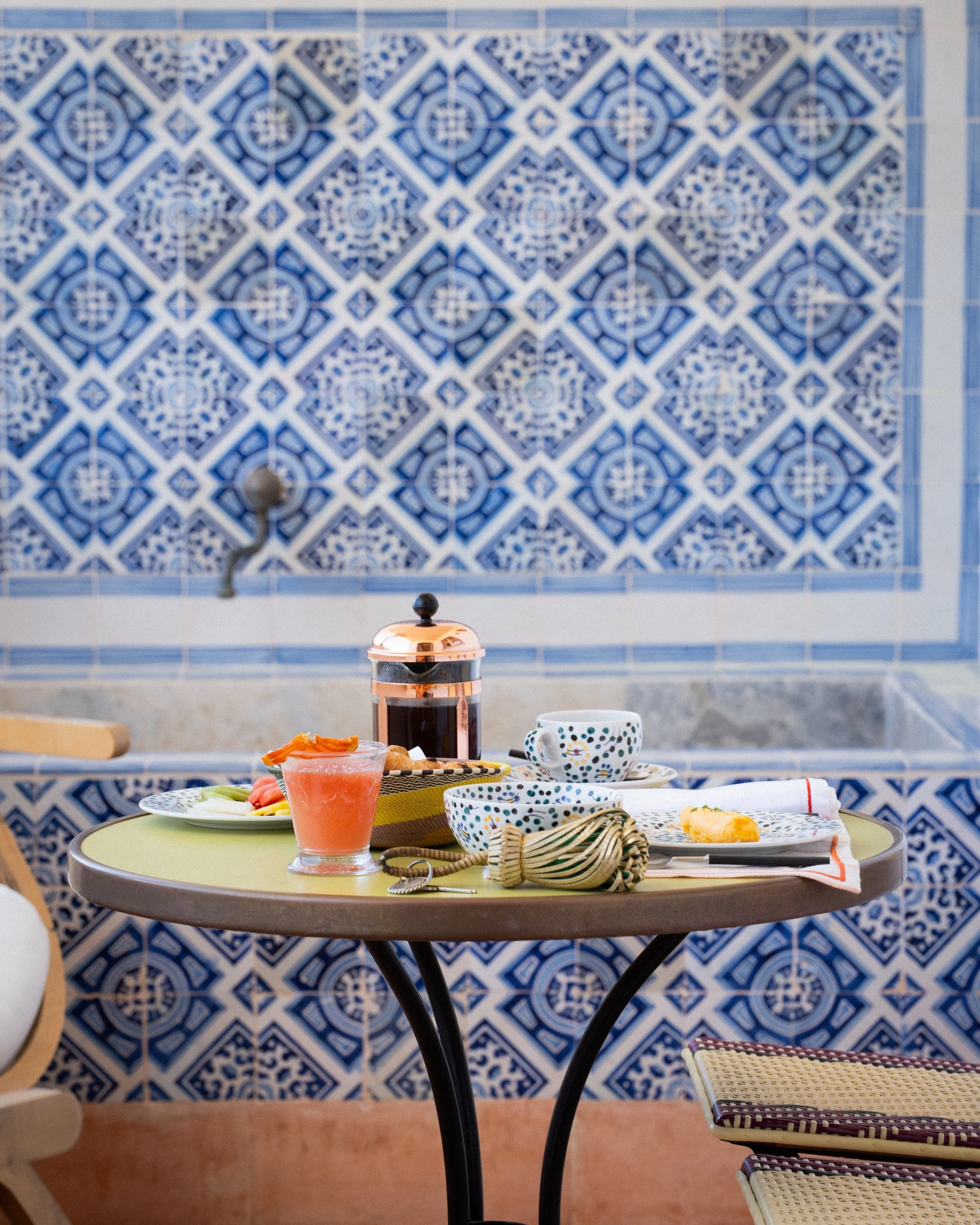
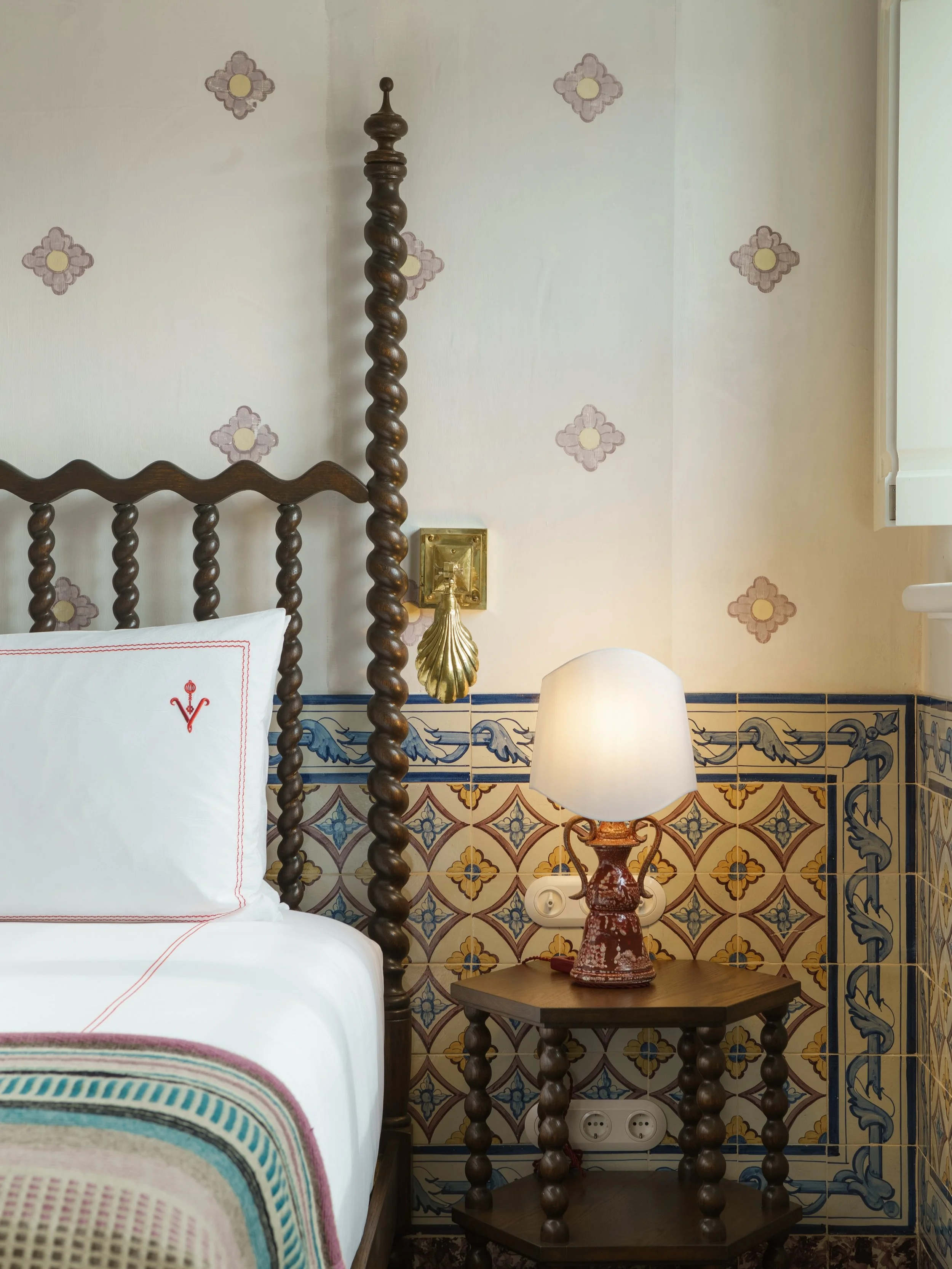
Beyond Évora, the Alentejo invites travelers to slow down. From traditional vineyards and family-run producers to the artistic atmosphere of Melides, home to Christian Louboutin's intimate Vermelho hotel, the region brings together heritage, contemporary design and a deep appreciation for its natural surroundings.
Lisbon: Behind the Doors of Portugal’s Creative World
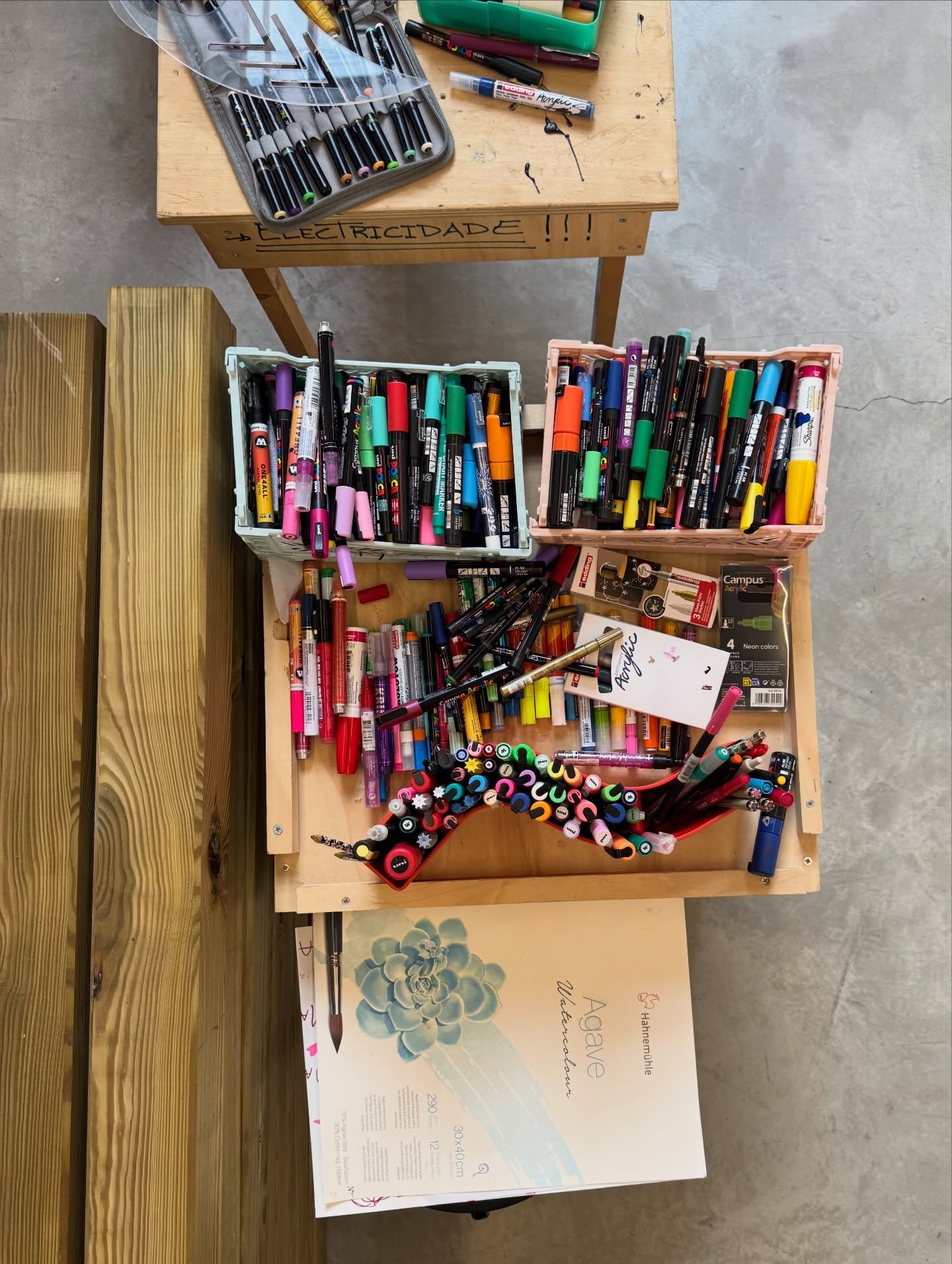
Lisbon's creative identity extends far beyond its museums and galleries. Some of the city's most interesting encounters take place behind closed doors, inside the studios and workshops where Portuguese art and craftsmanship continue to evolve.
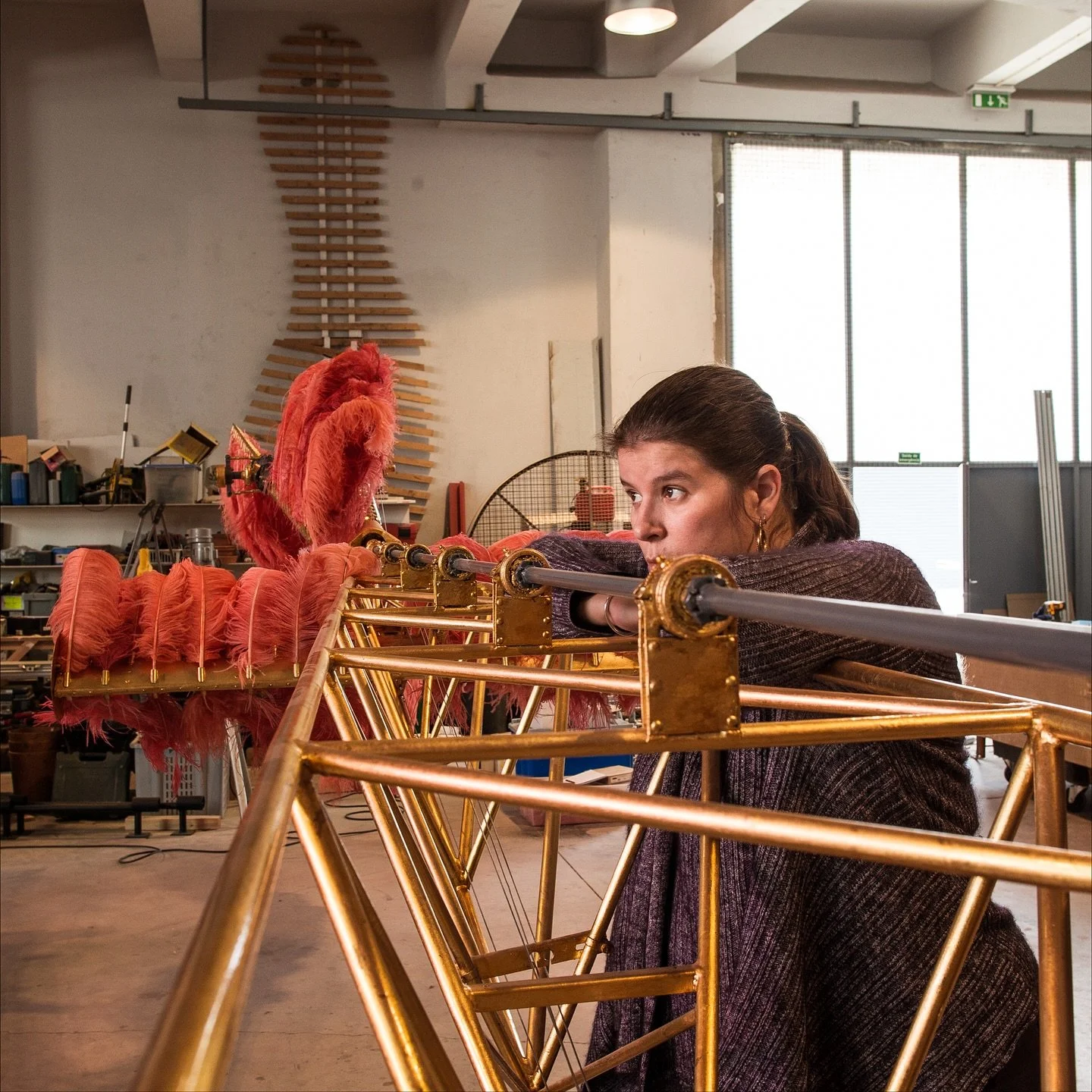
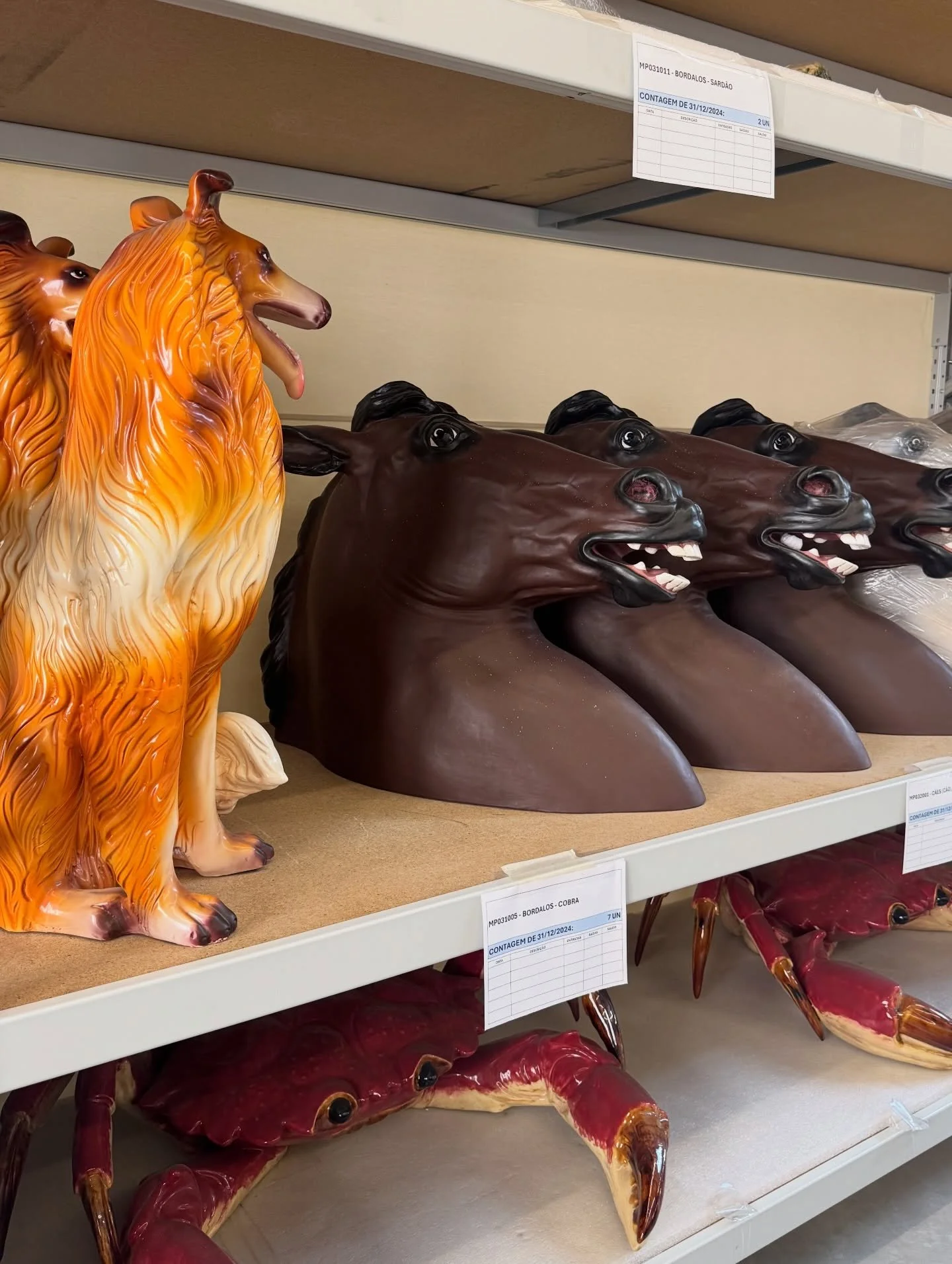
In the historic Alcântara district, guests can enter the private atelier of Joana Vasconcelos, one of Portugal's most internationally recognized contemporary artists.
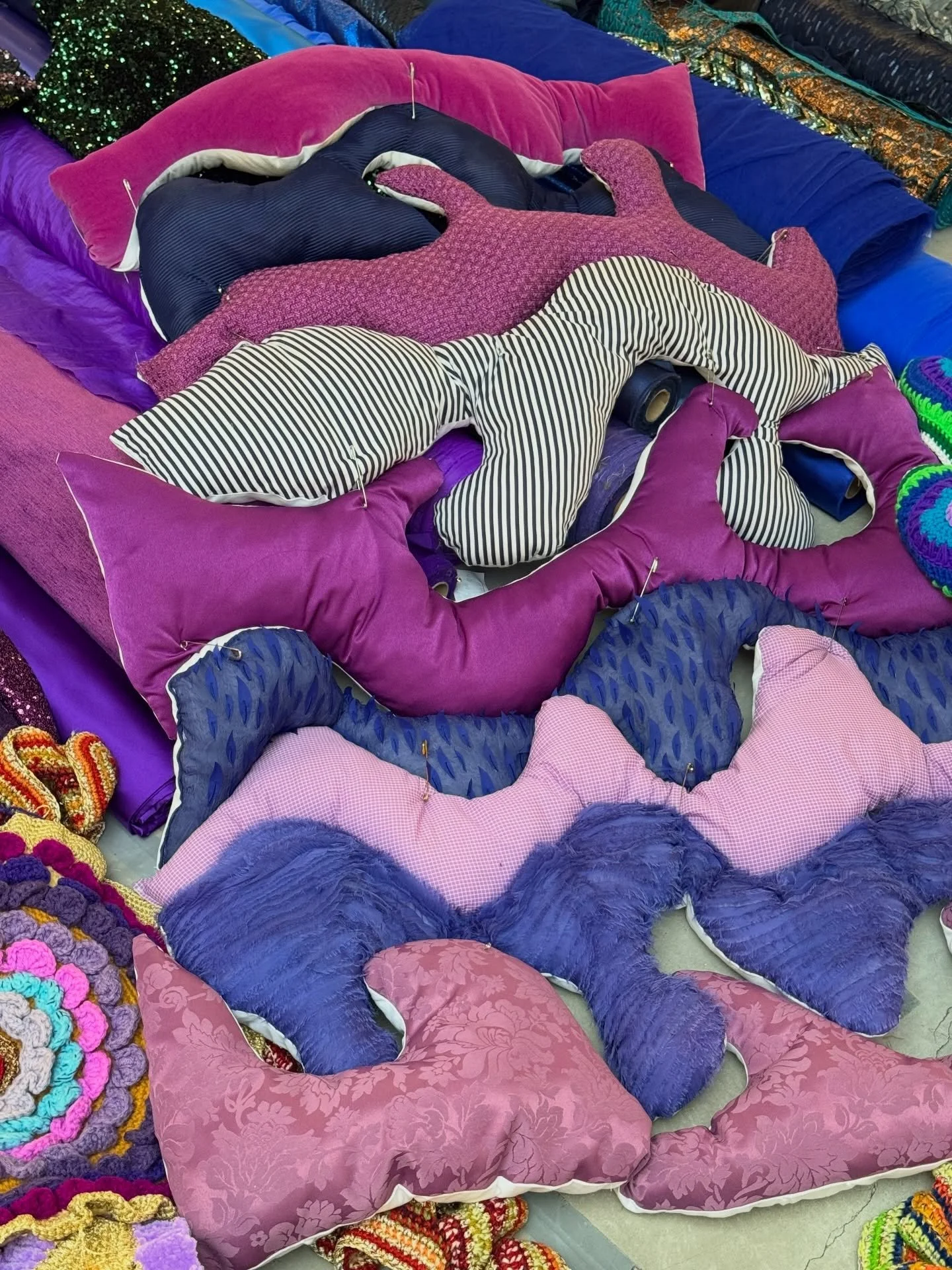
Her studio, not normally open to the public, is where a multidisciplinary team brings to life the monumental installations and sculptures for which she has become known around the world.
With the atelier privately opened for the occasion, guests can discover her creative environment and meet the artist herself, gaining insight into the materials, techniques and ideas behind her work.
Lisbon also reveals a much older expression of Portuguese creativity through its ceramics and porcelain traditions.
Decorative azulejos have been part of Portuguese architecture for centuries, adorning palaces, churches and private residences. Alongside them, fine porcelain and hand-painted tableware reflect generations of craftsmanship.
Through a private visit to a traditional manufactory and a porcelain-painting workshop, guests can meet the artisans preserving these techniques and discover the intricate work behind each piece.
Together, these experiences reveal two distinct expressions of Portuguese creativity: one boldly contemporary, the other rooted in centuries of tradition.
Comporta: Portugal's Coastal Escape
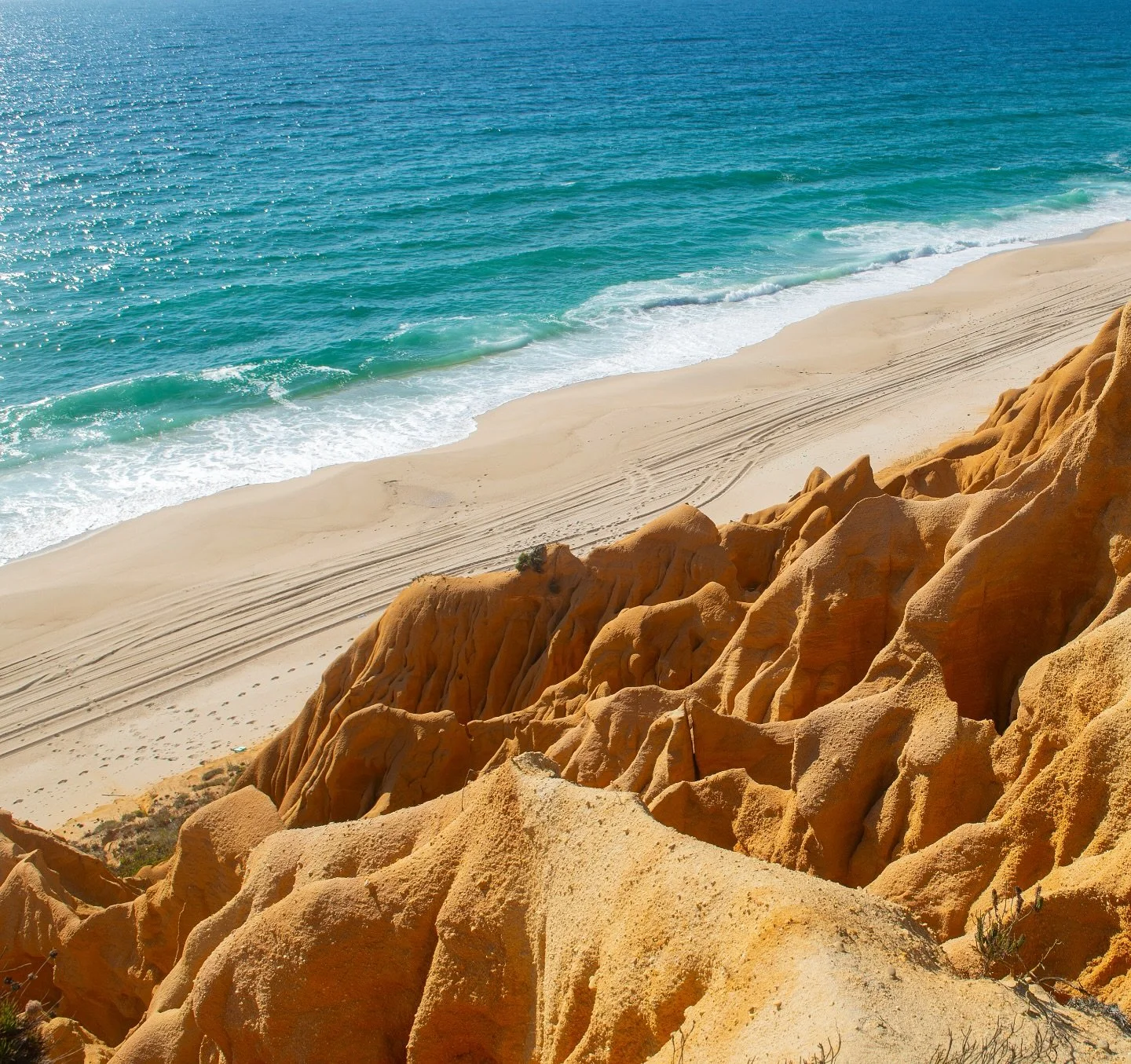
South of Lisbon, the Alentejo meets the Atlantic along a coastline of expansive beaches, sand dunes, pine forests and rice fields.
Here lies Comporta, a collection of small villages surrounded by protected natural landscapes that has become known for its discreet approach to luxury.
Unlike the grand palaces and historic residences found elsewhere in Portugal, Comporta's appeal lies in its simplicity. Traditional whitewashed houses, natural materials and architecture that blends into the landscape create an atmosphere of understated sophistication.
The Douro Valley: a Landscape Shaped by Wine
North of Lisbon, beyond the historic city of Porto, the Douro River winds through one of Portugal's most remarkable landscapes.
Steep hillsides covered in terraced vineyards, historic wine estates and small villages tell the story of a region shaped by centuries of winemaking.
The Douro Valley is the birthplace of Port wine, but its appeal extends far beyond the vineyards and cellars. The landscape, regional cuisine and traditions of its historic quintas make it an extraordinary destination in its own right.
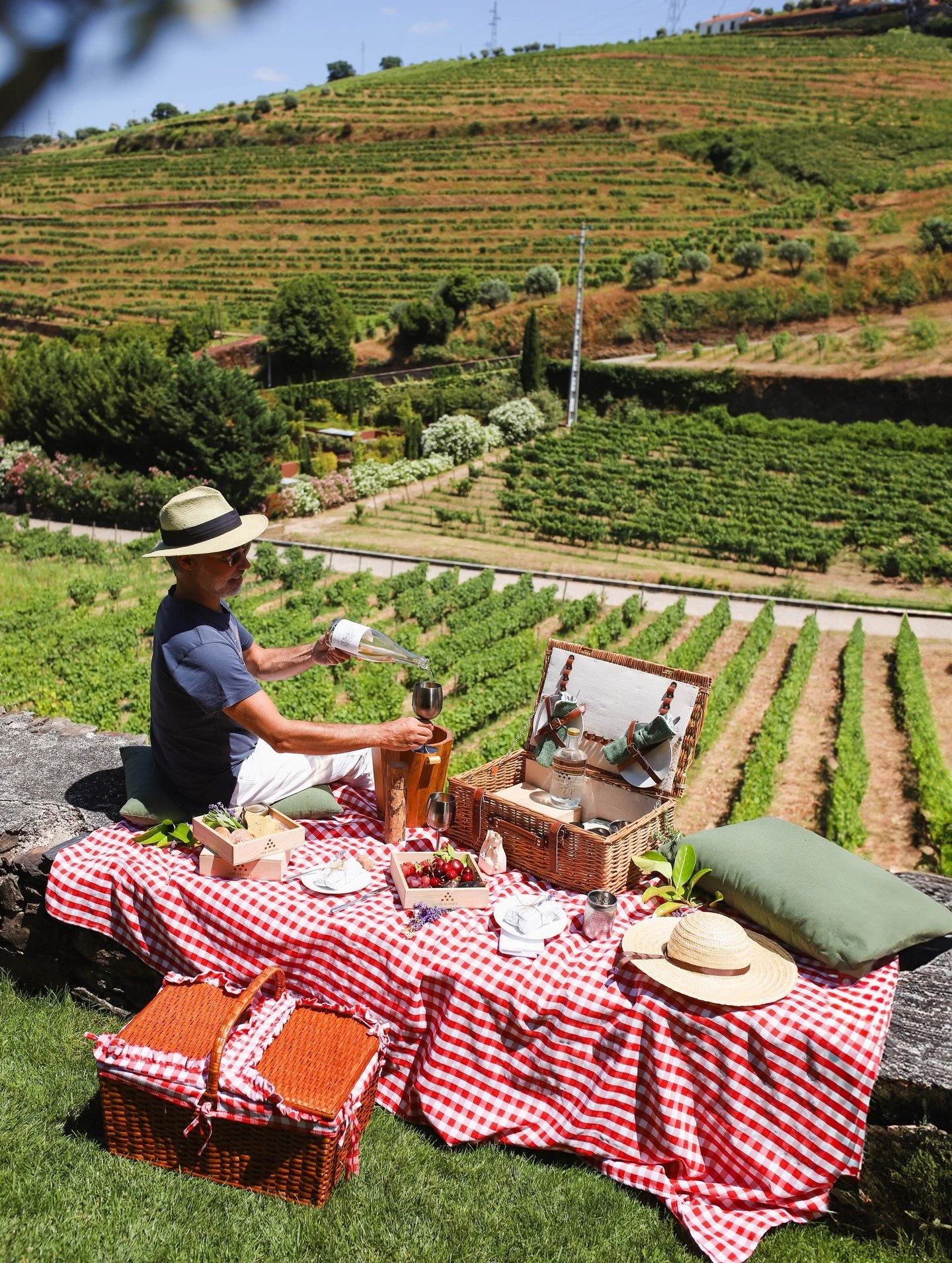
One particularly memorable way to experience the valley is through a private gastronomic picnic in a secluded setting overlooking the river or surrounded by vineyards.
A bespoke menu prepared by a private chef, paired with carefully selected Douro wines and Ports, offers an intimate introduction to the region's flavors and traditions.
It is an opportunity to experience the Douro at its own pace, surrounded by the landscape that has shaped its identity for generations.
A Different Way to Experience Portugal
What makes Portugal so compelling is the diversity found within a relatively small country.
In the Alentejo, centuries of aristocratic heritage meet a landscape defined by tradition and gastronomy. Lisbon reveals its creative identity through encounters with contemporary artists and master artisans. Comporta offers an understated coastal escape, while the Douro Valley invites travelers to discover the relationship between wine, food and landscape.
Together, these destinations reveal a Portugal that goes beyond its most familiar landmarks, where the most memorable experiences come from discovering the country through the people and places that give it character.