When people think of the Balearic Islands, the first name that comes to mind is often Ibiza. But beyond its well-known energy lies a quieter, more layered Mediterranean, one shaped by centuries of history, tradition, and a deep connection to the land.
Long before modern tourism, the islands were home to the Talayotic culture, a prehistoric civilization that built stone structures known as talayots. These megalithic towers, still scattered across Mallorca and Menorca, were used for defense, ritual, and community life, offering a glimpse into one of the Mediterranean’s earliest societies.
Over time, Roman and Moorish influences left their mark, shaping everything from agriculture to architecture. What remains today is not just a destination, but a living cultural landscape.
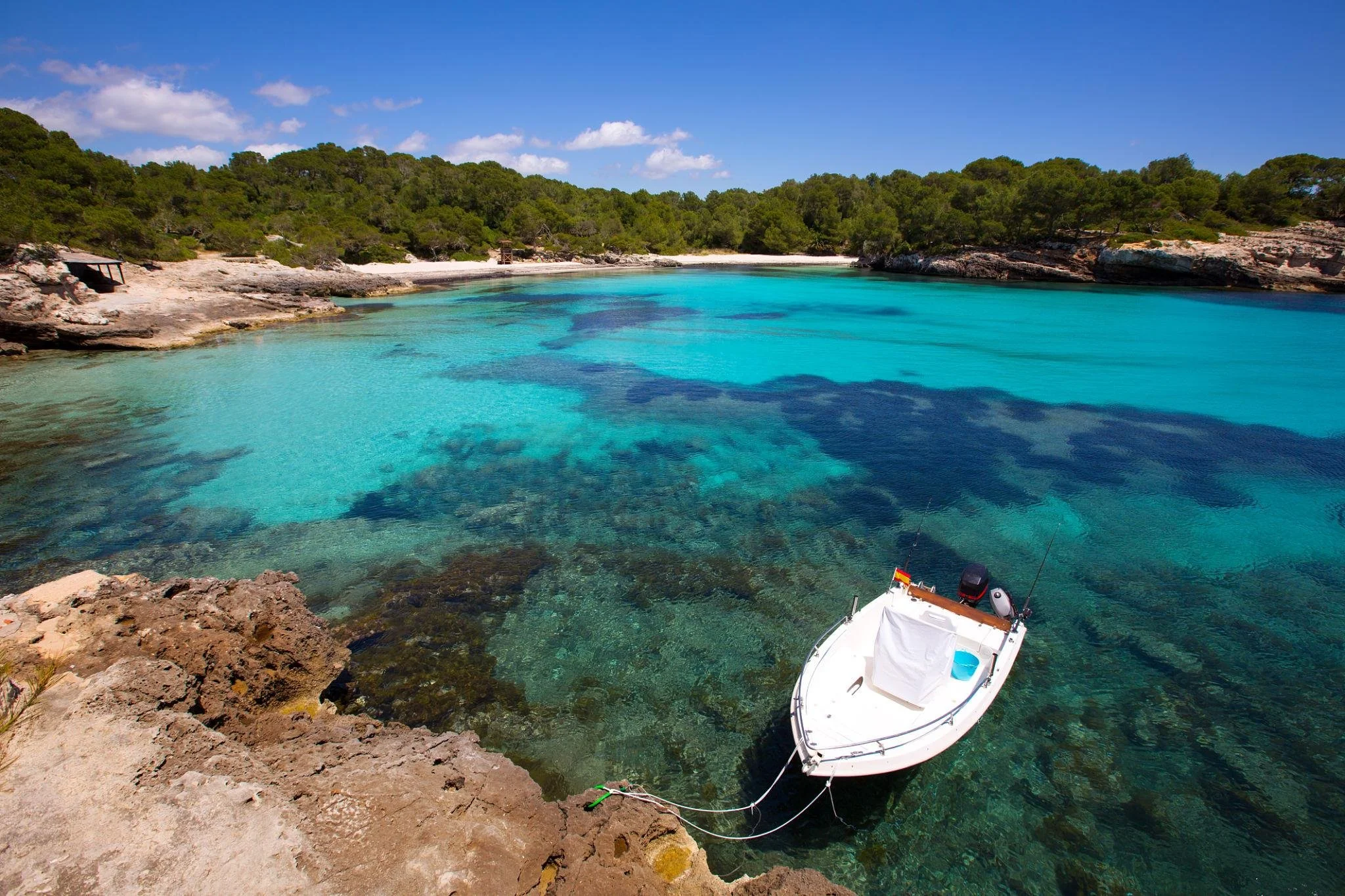
Cove in Menorca
Mallorca: Land, Wine & Mountain Traditions
Mallorca’s identity is deeply tied to its land.
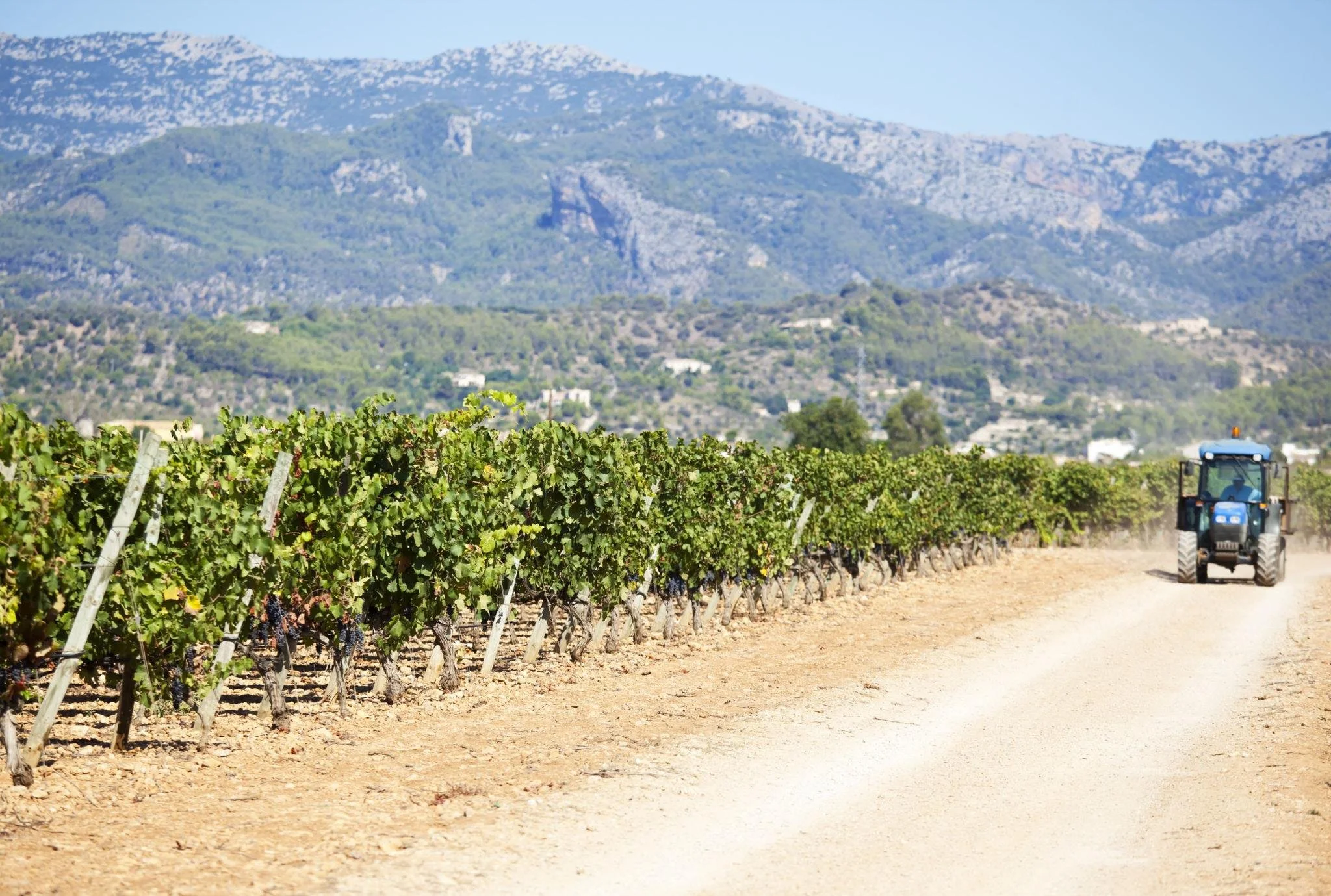
At the heart of the island lies a quiet but growing wine culture, centred around native grape varieties such as Manto Negro and Callet. Unlike the bold wines of mainland Spain, these are lighter, more mineral, shaped by the island’s climate and soil.
The experience of wine here is personal. Often led by the families who have worked the land for generations, it becomes less about tasting and more about understanding place.
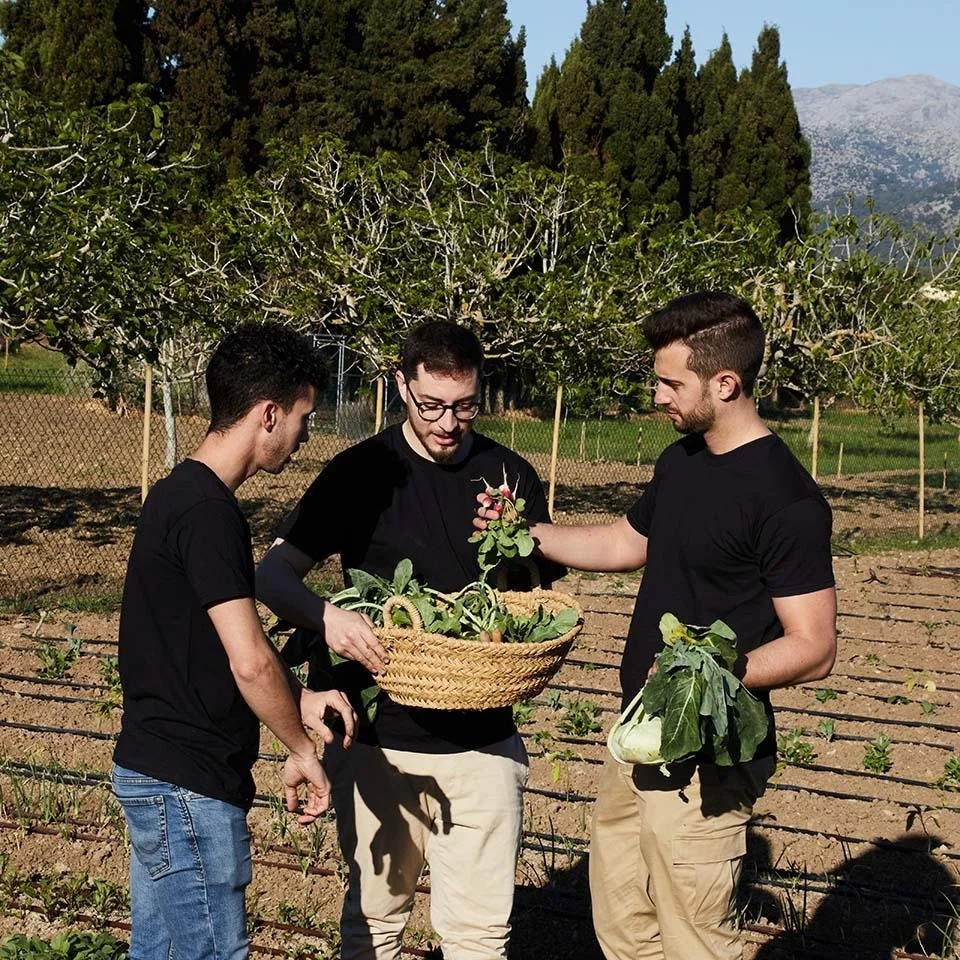
This connection to the land extends to Mallorca’s agricultural traditions. The concept of farm to table is not a trend, but a way of life, rooted in self-sufficiency, seasonality, and respect for the environment.
Above it all rises the Serra de Tramuntana, a UNESCO World Heritage mountain range that defines the island’s landscape.
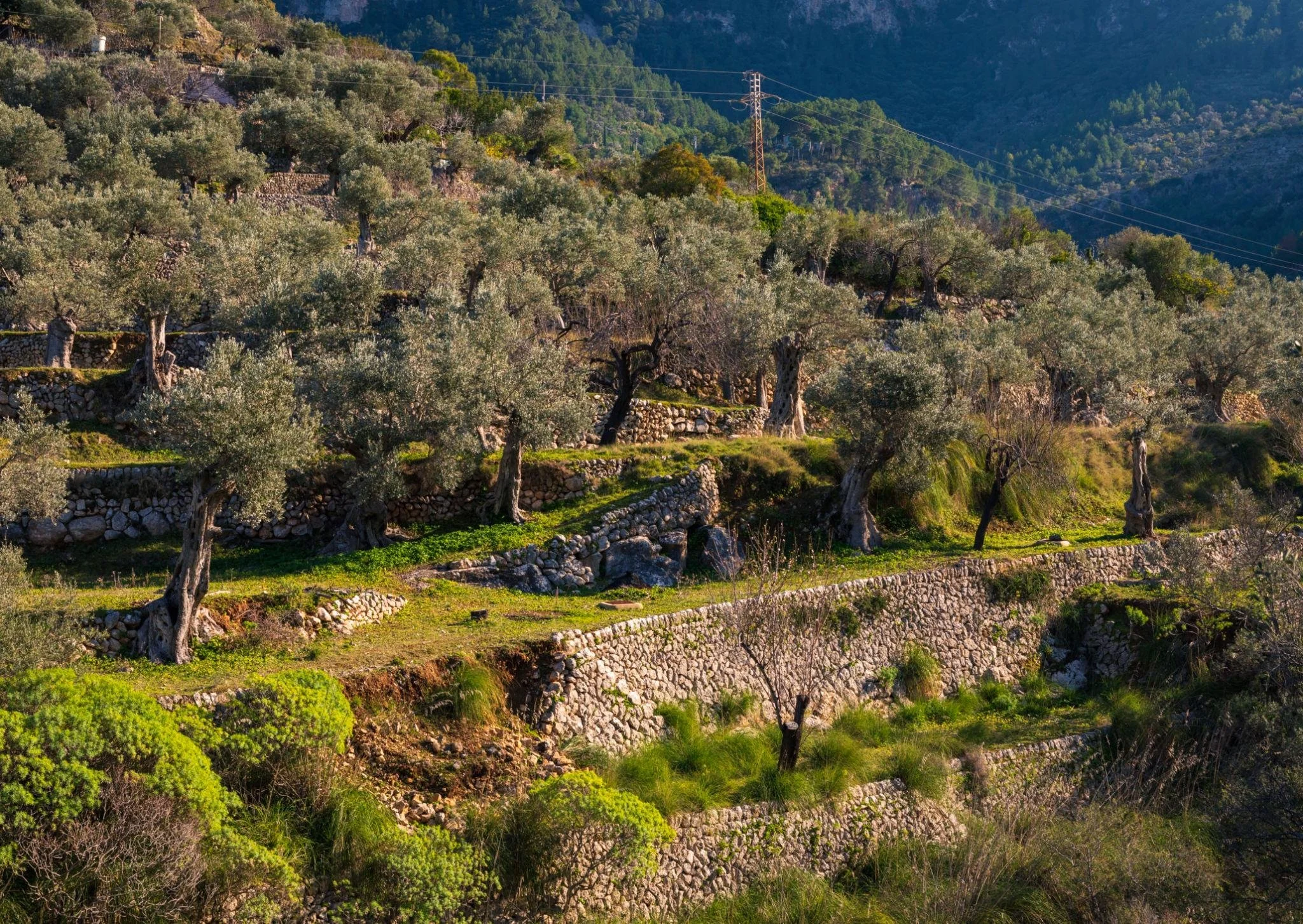
Its steep terrain was shaped over centuries through dry stone terraces, built to make agriculture possible in otherwise inhospitable conditions. Olive trees, citrus groves, and ancient paths still follow these contours today.
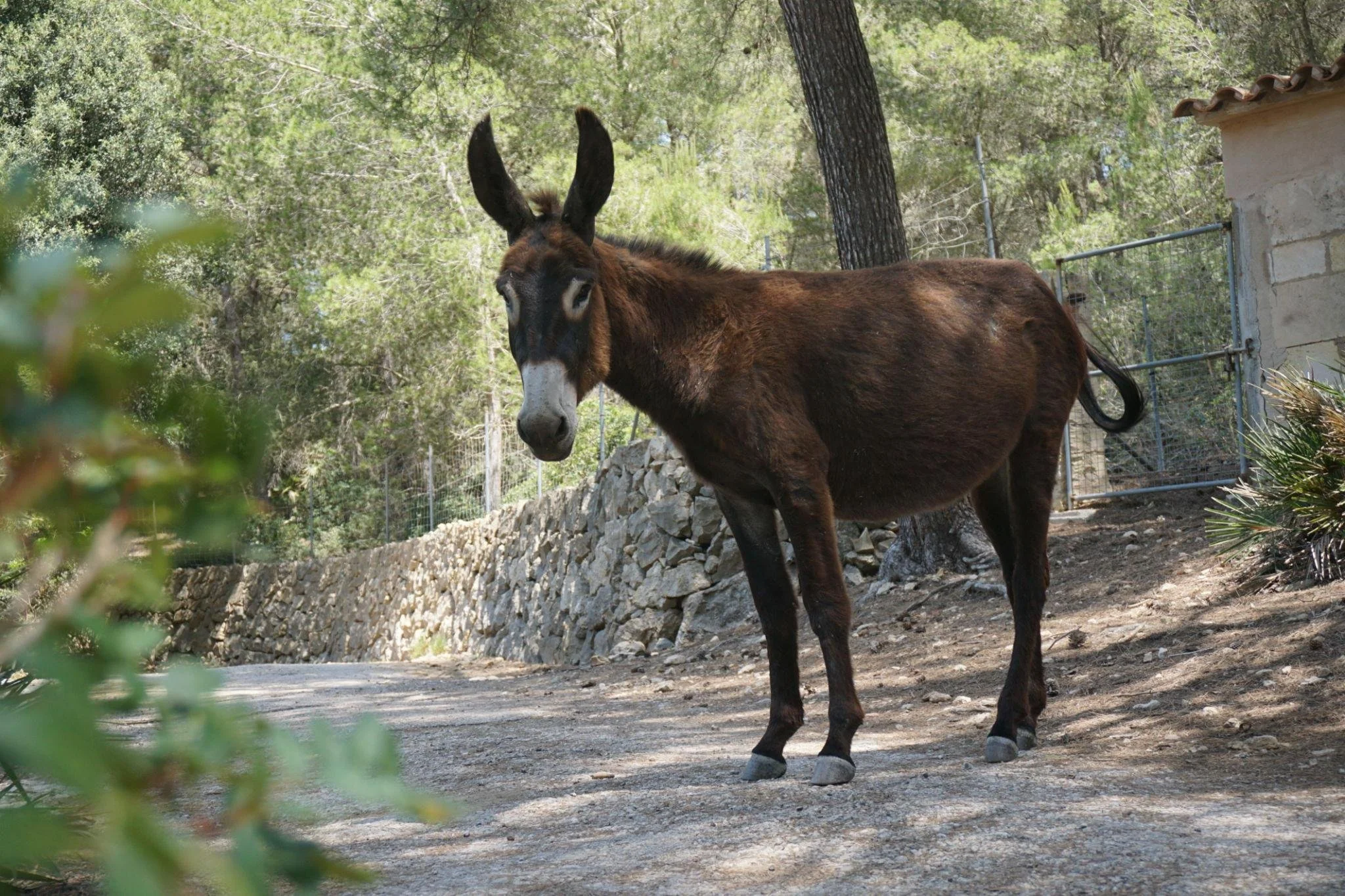
Even the presence of donkeys in these landscapes has a history. Traditionally used as working animals, they were essential for navigating narrow mountain paths, transporting goods where wheeled vehicles could not pass. Today, they remain a quiet symbol of Mallorca’s rural heritage.
Menorca: Sea, Horses & Slow Living
If Mallorca is shaped by its mountains, Menorca is defined by its openness.
Recognized as a Biosphere Reserve, a UNESCO protected ecosystem, Menorca has preserved a way of life that feels increasingly rare.
The island’s relationship with horses is central to its identity. The native Menorquín horse, known for its black coat and elegance, plays a key role in local traditions and festivals. Equestrian culture here is not ornamental, it is lived.
Along the coast, the island reveals another dimension. Sailing has long been part of daily life, shaped by Menorca’s natural harbors and sheltered coves. Moving along the coastline by boat offers a perspective that has changed little over time.
On land, traditional rural estates, today reimagined as refined agrotourism stays, reflect the island’s agricultural roots. Built from local stone and surrounded by open countryside, they offer a quiet, grounded way of experiencing the island.
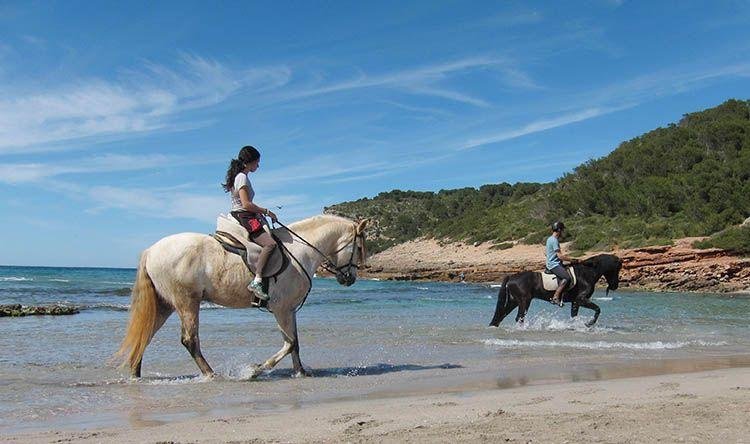
Equestrian culture in Menorca featuring a Menorquín horse, known for its black coat and elegance
A Different Mediterranean
The Balearic Islands are often reduced to a single narrative.
But beyond the surface lies a deeper story, one of land, tradition, and continuity.
A slower Mediterranean.
One shaped by history, not trends.
And best understood through experience.