High above the city of Granada, on the hills facing the Alhambra, lies one of the most fascinating neighborhoods in Spain: Sacromonte.
This is where flamenco truly found its voice.
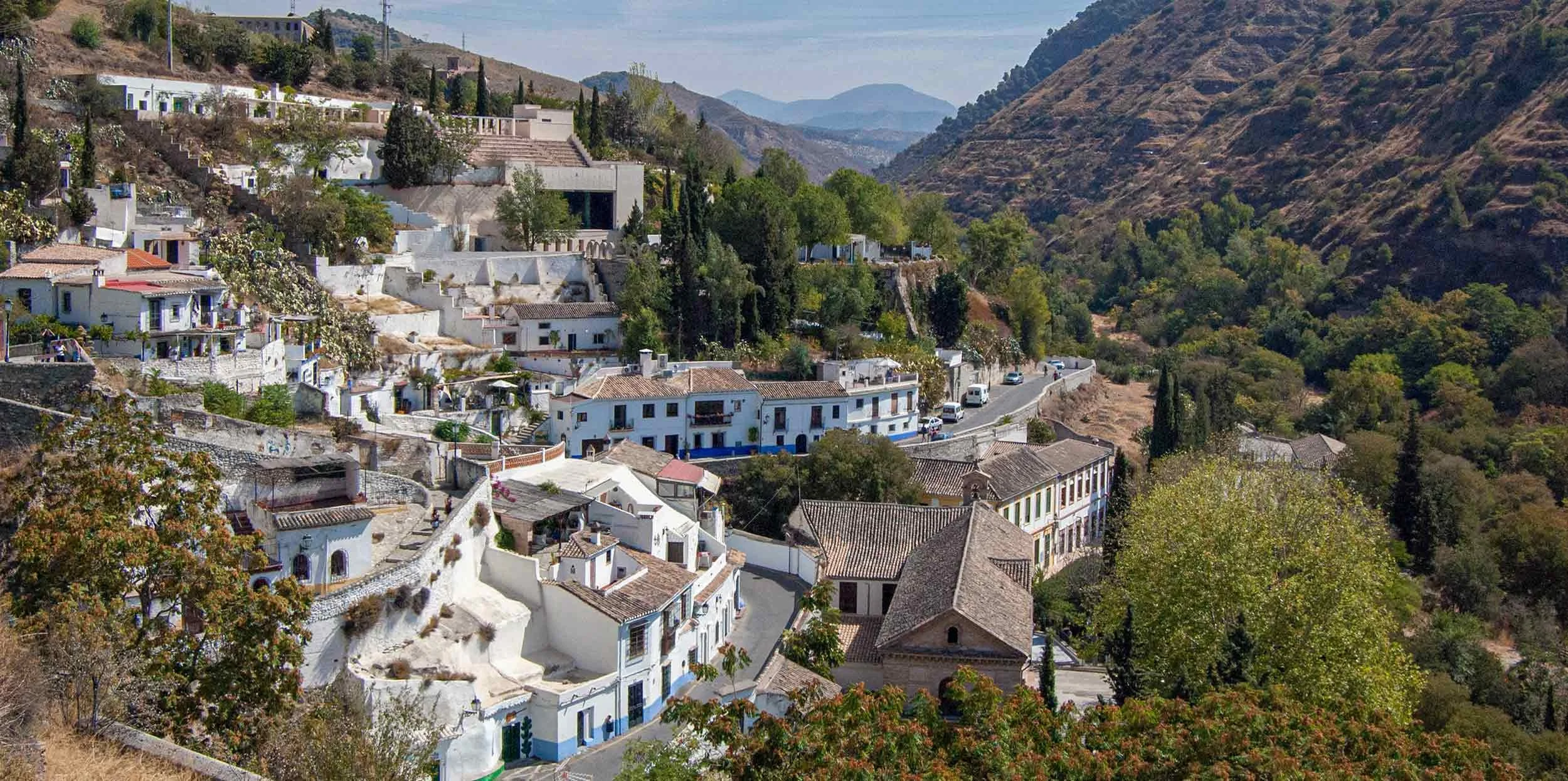
Sacromonte, Granada, Spain
A Culture Born in the Caves
The whitewashed caves of Sacromonte were carved into the hillside centuries ago and became home to the Romani community that settled in Granada after the Christian conquest of the city in 1492.
These cave houses were not just homes, they were places where music, storytelling, and dance became part of daily life. Over time, gatherings known as zambras developed here: intimate celebrations of singing, guitar, and dance that would eventually evolve into flamenco.
Unlike the formal stages we often associate with flamenco today, these early performances were spontaneous and deeply personal. Families would gather in candlelit caves, guitars echoing against the curved stone walls, while dancers performed just steps away from the audience.
The setting created a powerful intimacy that still defines the spirit of flamenco in Granada today.
The Legendary Caves of Sacromonte
Today, Sacromonte remains famous for its cave dwellings and flamenco performances, offering a far more intimate atmosphere than many modern venues.
The caves maintain a unique acoustics, the earth itself amplifies the rhythm of the guitar, the stamping of heels, and the expressive voice of the singer.
For generations, these caves have welcomed artists, musicians, and travelers seeking an authentic encounter with Andalusian culture.
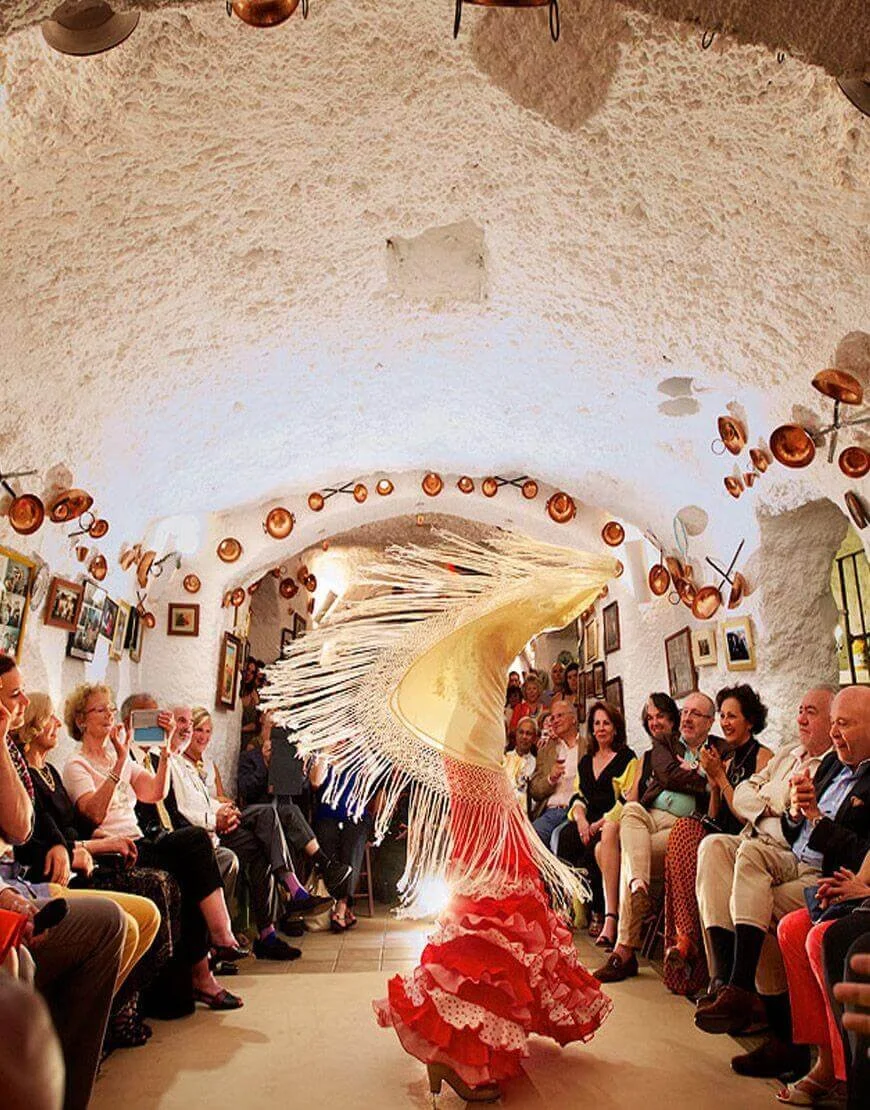
Famous Visitors Through the Years
Throughout the 20th century, the caves of Sacromonte became legendary among international travelers.
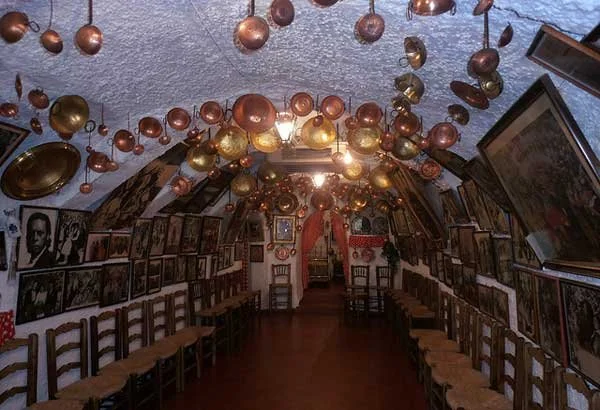
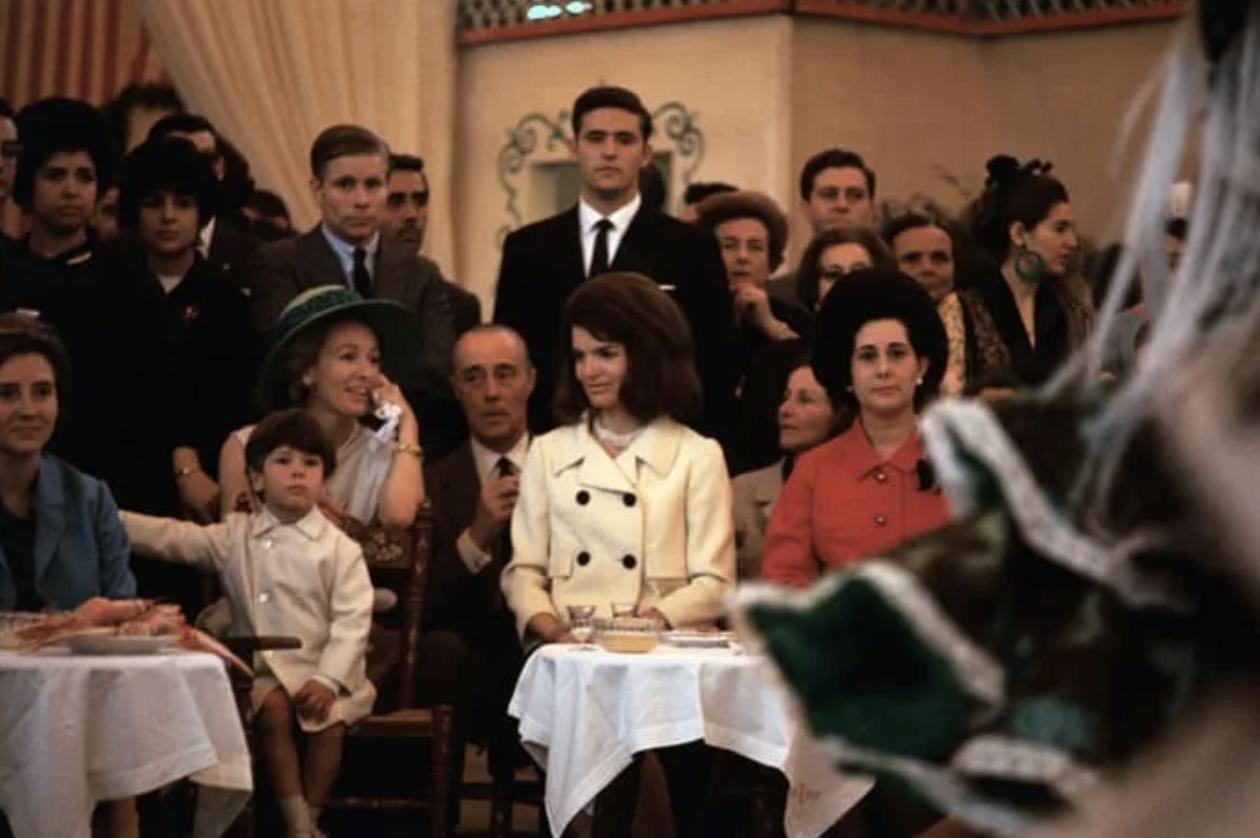
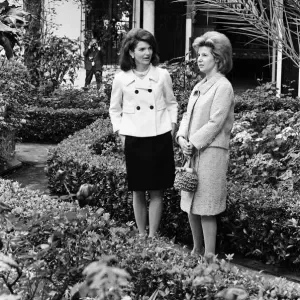
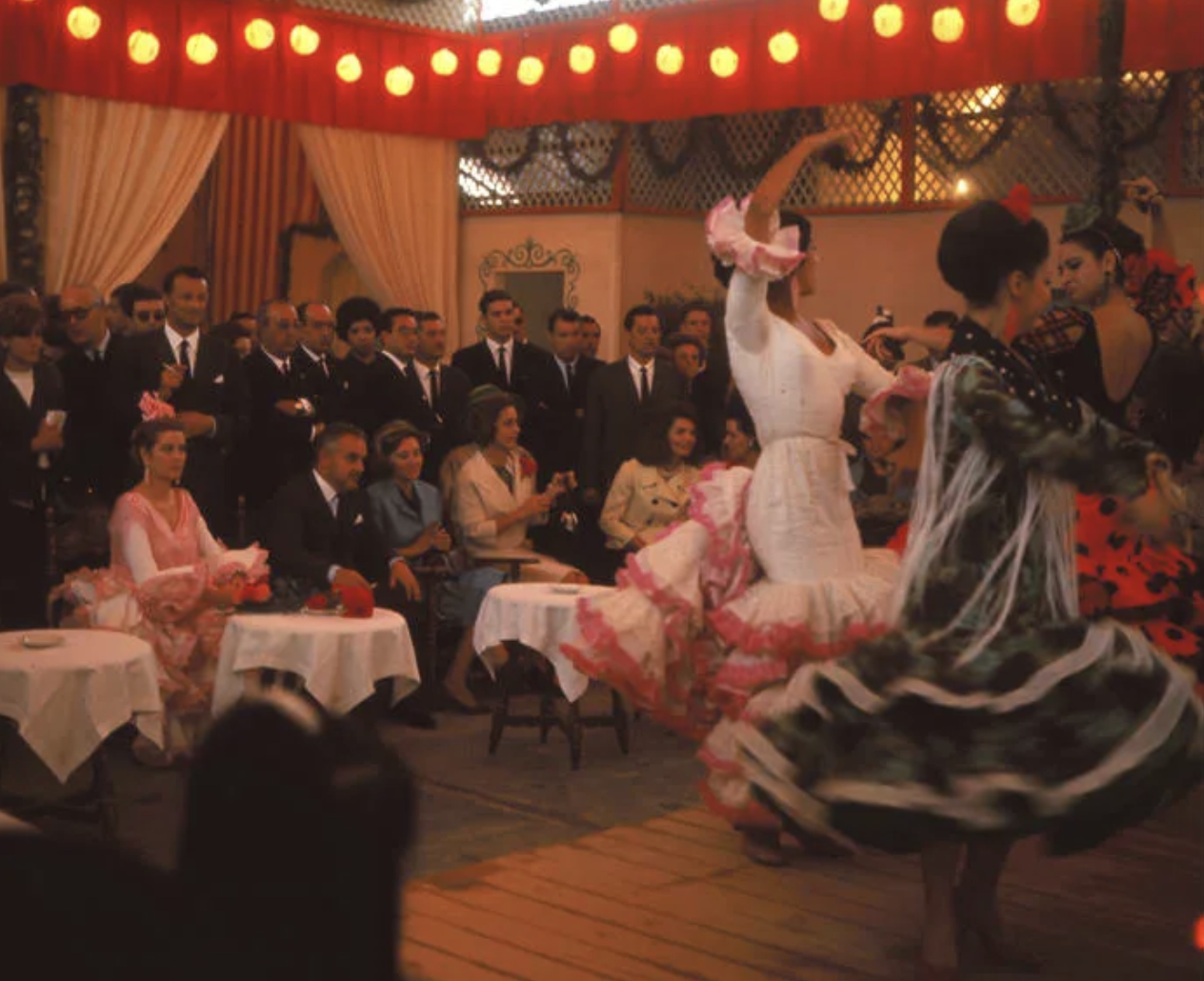
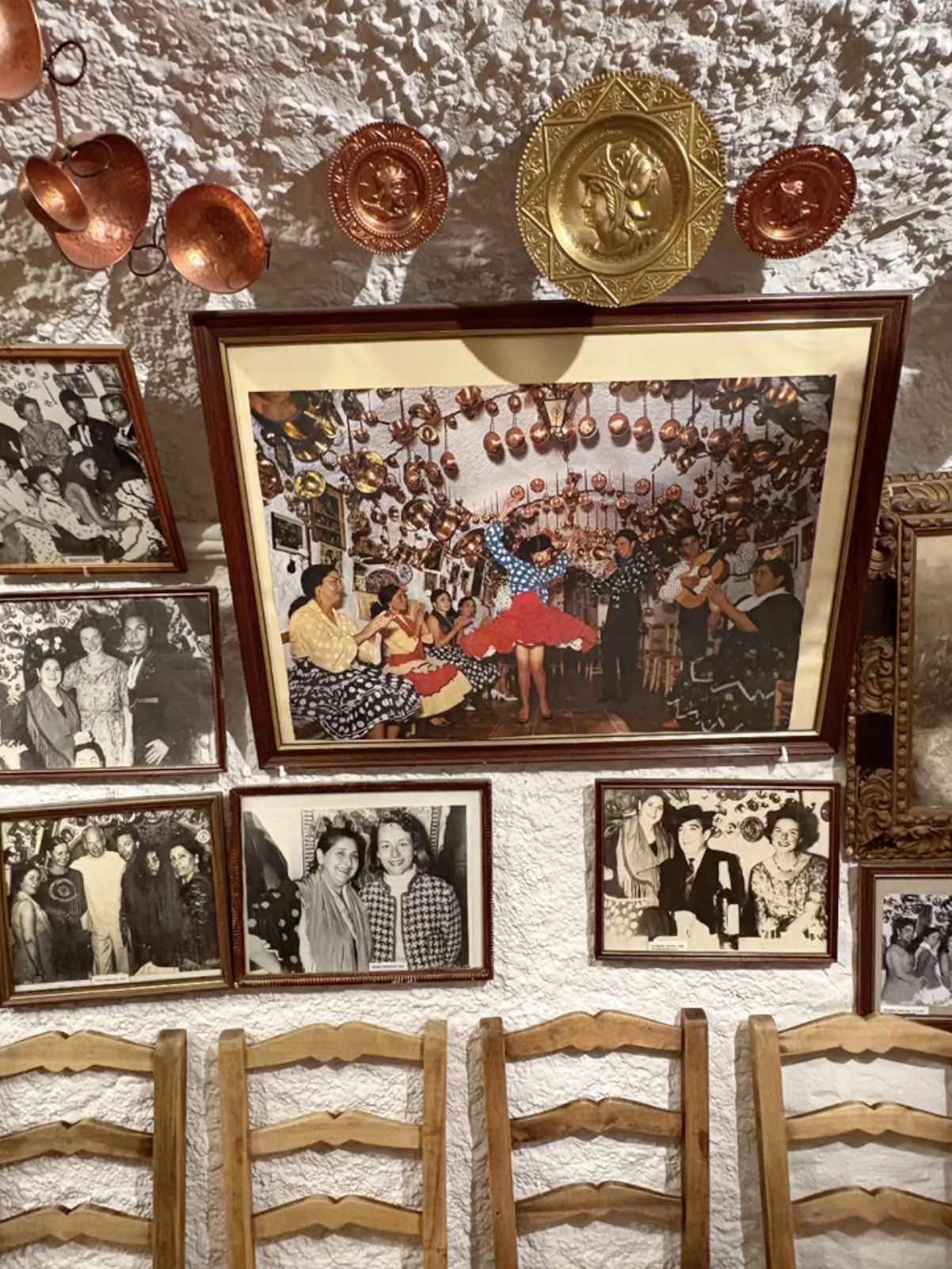
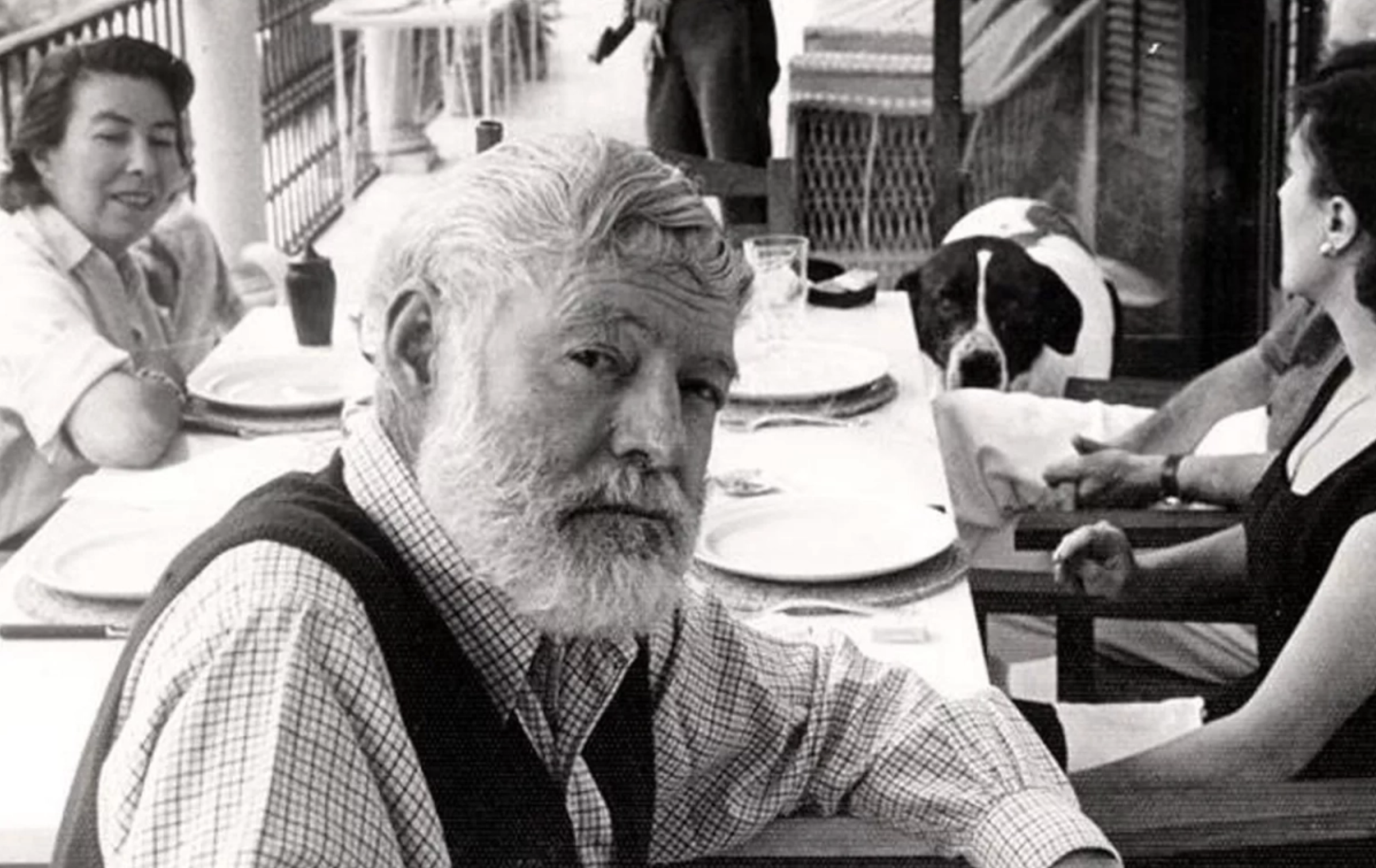
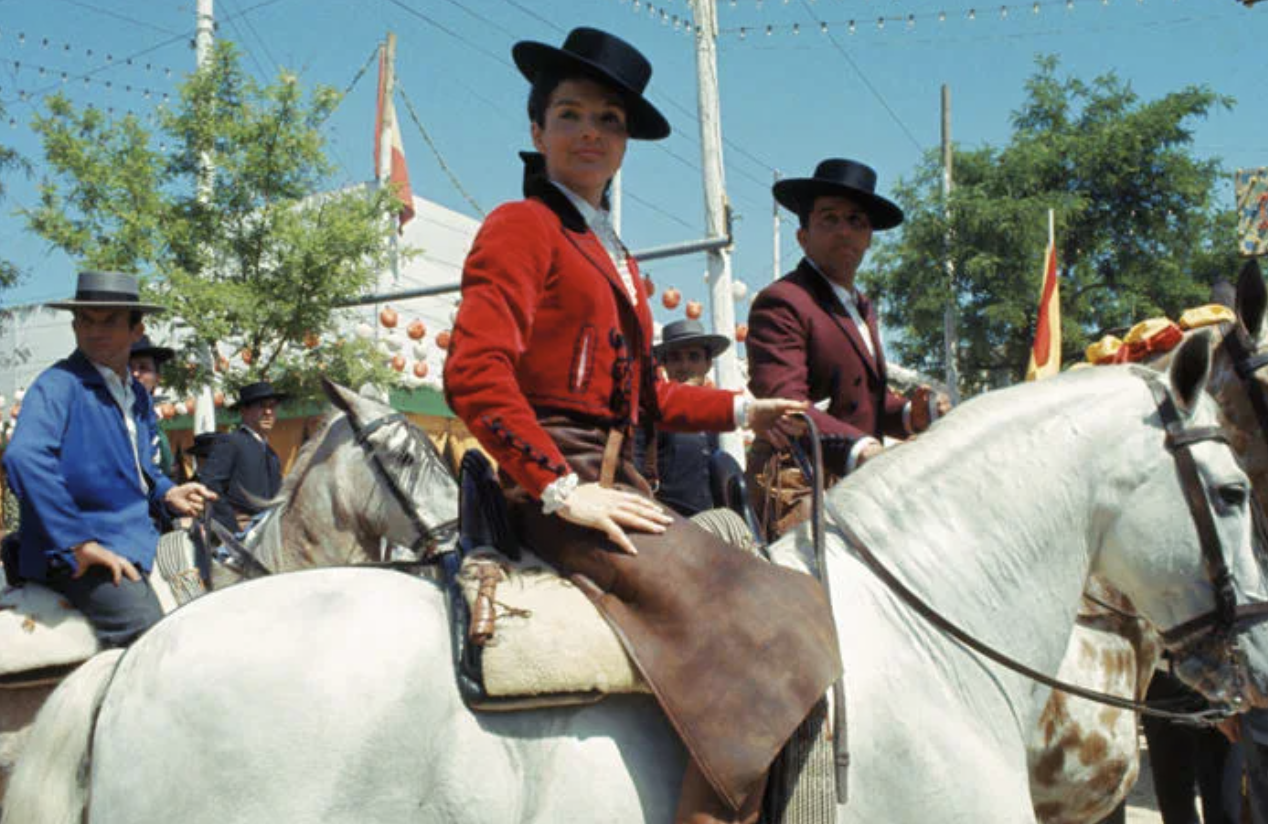
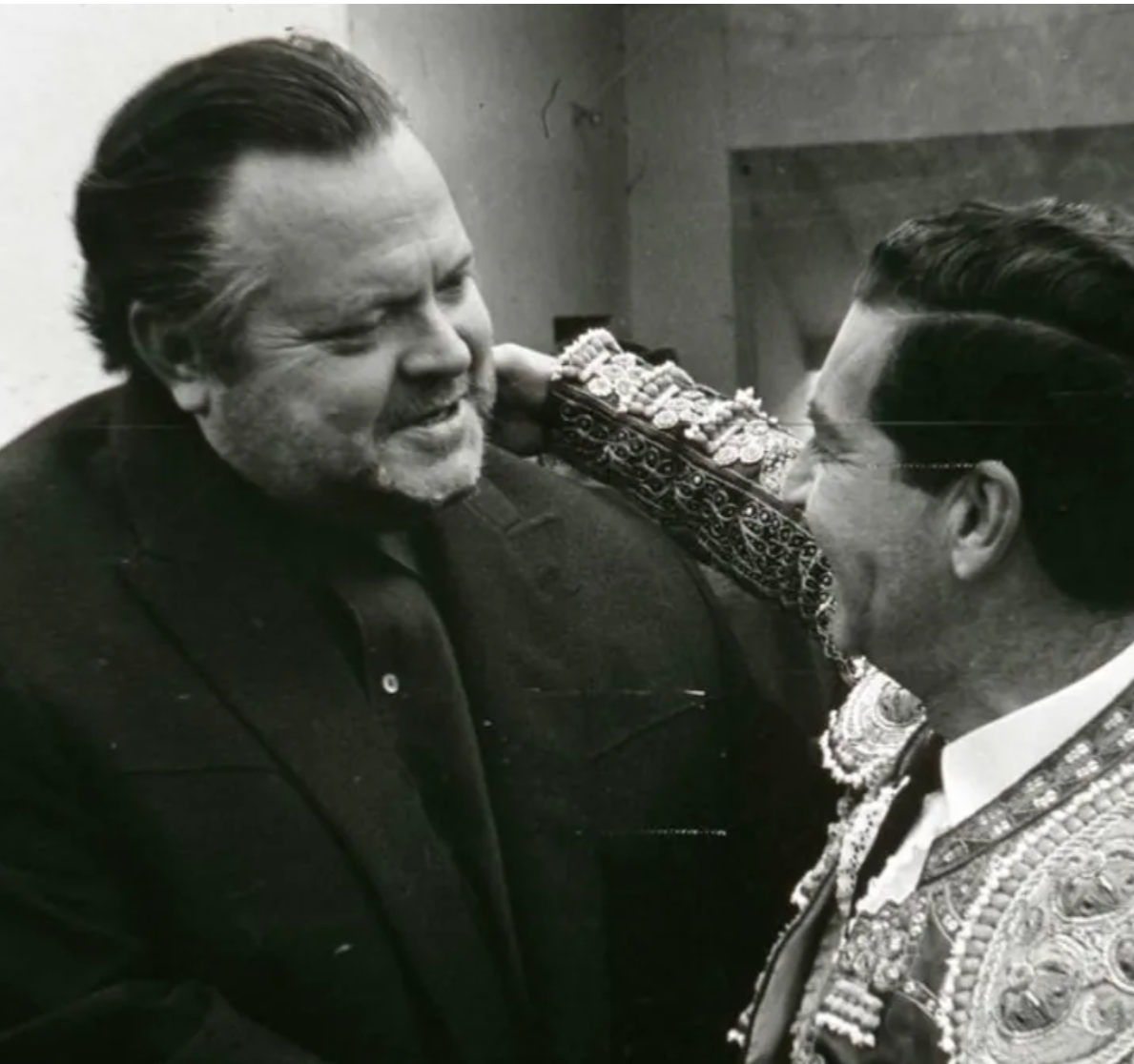
Many Sacromonte caves display photographs of notable visitors on their walls, a visual record of the generations of travelers who have been drawn to this unique cultural space. Guides often recount that figures such as Ernest Hemingway, Orson Welles, and Jacqueline Kennedy Onassis passed through these caves during their travels in Spain. These stories form part of the local oral history shared by the families who have kept the flamenco tradition alive in Sacromonte.
For many guests, these evenings became unforgettable memories: a night in a cave overlooking the Alhambra, surrounded by music that seemed to rise directly from the earth.
Flamenco Today
Although flamenco is now performed across the world, the caves of Sacromonte remain one of the places where its spirit is most alive.
Here, flamenco is not simply a performance.
It isa conversation between musicians, dancers, and the people gathered in the room.
A tradition passed down through families.
A story told through rhythm and movement.
And an experience that still feels as powerful today as it did centuries ago.