Tucked between Justicia and Chamberí, Barrio de las Salesas has quietly transformed into one of Madrid’s most elegant and culturally vibrant districts. Its charm lies in the mix that defines all great neighborhoods: layered history, thoughtful architecture, independent boutiques, and a gastronomic scene that reflects both tradition and modernity. But Salesas wasn’t always the destination it is today.
From convent gardens to cosmopolitan enclave
The neighborhood takes its name from the Convento de las Salesas Reales, founded in the 18th century by Queen Bárbara de Braganza as a school and spiritual retreat for young noblewomen. The area that surrounds the convent grew slowly, maintaining a serene, residential feel well into the 20th century. For decades, it lived in the shadow of nearby Chueca and the grand boulevards of Salamanca.
Its renaissance began when creators, designers, architects, and independent brands started seeking quieter streets where they could establish ateliers and concept stores away from the more commercial zones. What emerged was an enclave of Madrileñan authenticity: chic, understated, and full of personality.
Why Salesas is so popular today
Salesas has become the neighborhood of choice for travelers, creatives, and locals who value boutique culture over big-brand retail. The three key reasons it has become such a desired neighborhood in the past years:
1. A hub for local designers and independent boutiques
Salesas is one of the few districts in Madrid where retail still feels personal. Streets like Calle Piamonte, Santo Tomé, Fernando VI, and Bárbara de Braganza are dotted with curated fashion boutiques, contemporary jewelry studios, artisanal workshops, and concept stores. Visitors will find pieces that cannot be found anywhere else: one-of-a-kind garments, handmade accessories, and artisan fans.
2. A gastronomic scene blending heritage and innovation
From century-old cafés to modern bistros, Salesas is a paradise for food lovers. Historic cafés share the streets with natural wine bars, patisseries, and contemporary restaurants led by Madrid’s new generation of chefs. Terraces spill into sunny squares, and the atmosphere is always vibrant yet never overwhelming. It is one of the few neighborhoods where you can begin your morning with specialty coffee, enjoy a refined lunch, and end your day with an intimate dinner (all within a five-block radius).
3. Architecture that tells Madrid’s evolution
The architecture of Salesas is a beautiful reflection of its past and present. Three landmarks stand out:
Real Monasterio de las Salesas Reales (1760s) – The heart of the neighborhood, combining baroque and neoclassical elements. Its presence continues to shape the district’s character.
Palacio de Longoria (1902) – One of Madrid’s finest examples of Modernismo, with Gaudí-inspired curves and exquisite detailing. Today it houses the SGAE and offers a striking contrast to the surrounding streets.
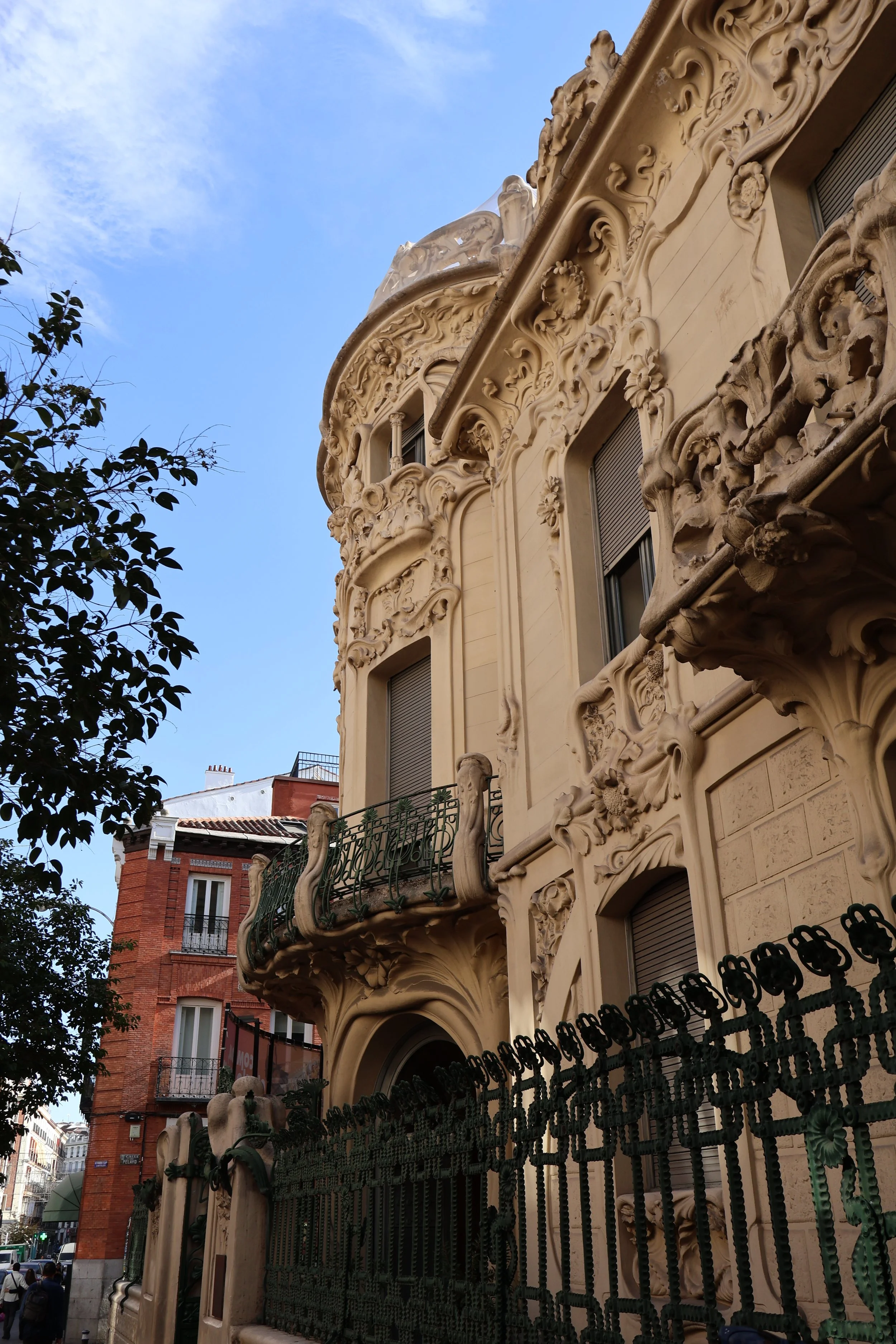
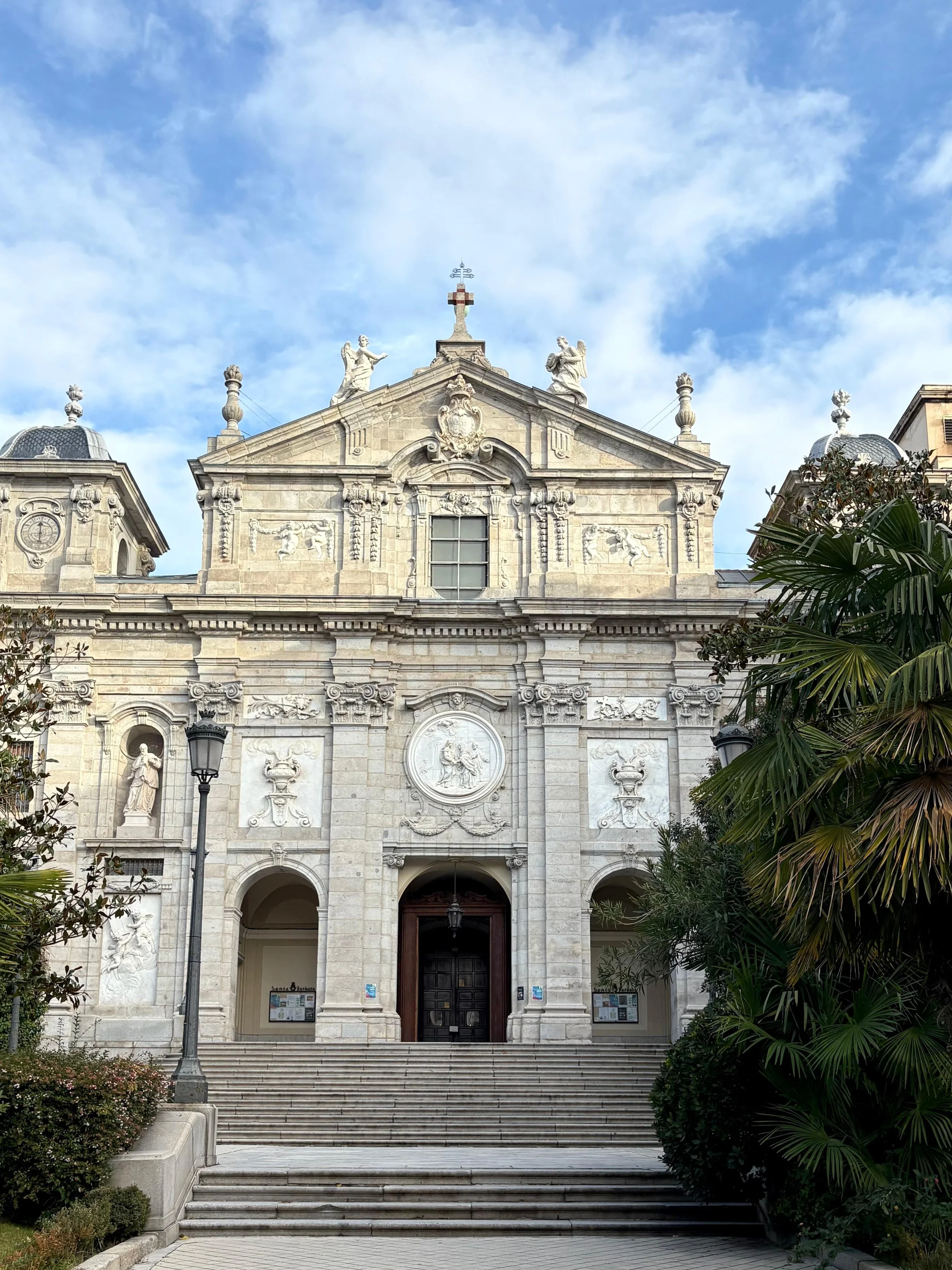
Between these grand structures, narrow streets unveil eclectic façades, wrought-iron balconies, and restored townhouses that now hold art galleries, cafés, and ateliers.
A district where lifestyle becomes an experience
What sets Salesas apart is its atmosphere: refined yet relaxed, artistic without pretense, international but unmistakably Madrileño. It’s a neighborhood meant to be wandered, stopping in boutiques, discovering a new gallery, enjoying a slow lunch, or simply taking in the quiet sophistication of its tree-lined streets.
Salesas offers the perfect introduction to Madrid’s contemporary creativity and charm. And for those discovering it with Ángeles Sánchez, the neighborhood opens up in an entirely new way. Ángeles curates personalized experiences from private tastings and artisan workshops to exclusive access to local designers and cultural spaces, crafted through her deep relationships and intimate knowledge of the area. Each route becomes a reflection of what makes Salesas special: authenticity, craftsmanship, and the art of experiencing Madrid at its finest.