Few ingredients are as deeply connected to Spanish culture as olive oil. For centuries, it has shaped the country's landscapes, influenced its cuisine and sustained generations of farming families.
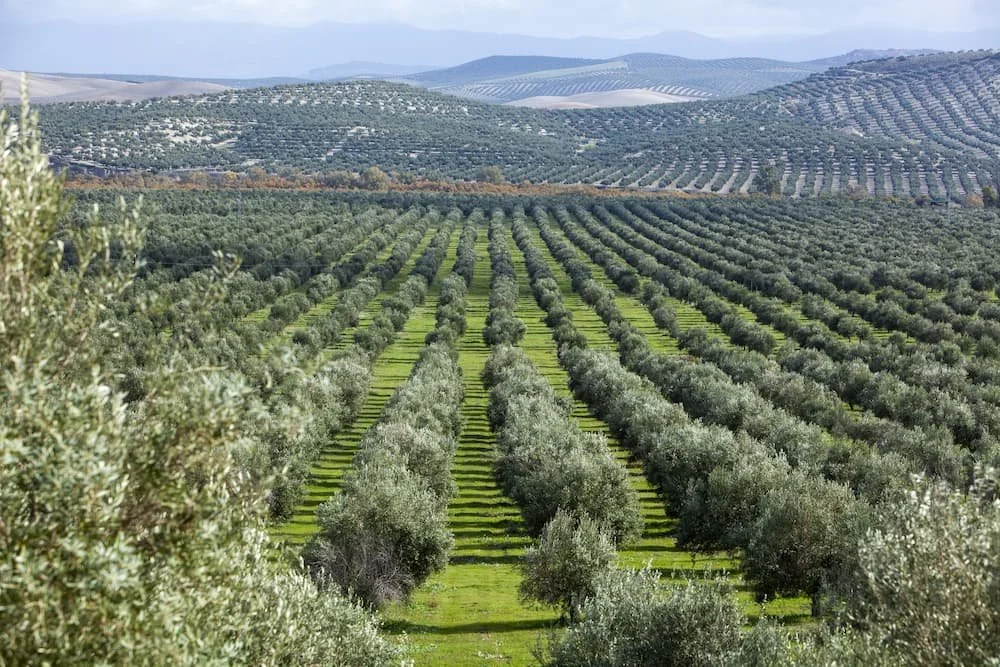
Today, Spain is the world's largest producer of olive oil, with Andalusia at the heart of this tradition. Across the region, millions of olive trees stretch over rolling hills and valleys, creating a landscape that reflects more than two thousand years of cultivation.
Yet behind every bottle of extra virgin olive oil lies a remarkable combination of agricultural knowledge, craftsmanship and a close understanding of the land.
A Tradition Dating Back Thousands of Years
The olive tree has been cultivated across the Mediterranean for millennia, but it was during Roman rule that olive oil production became one of the defining agricultural activities of the Iberian Peninsula.
The Roman province of Baetica, which covered much of present-day Andalusia, became a major supplier of olive oil to the Roman Empire. Large quantities were transported in ceramic amphorae along the Guadalquivir River and shipped across the Mediterranean, reaching cities as distant as Rome.
Following the Roman period, olive cultivation continued to develop under Islamic rule in Al-Andalus. Agricultural knowledge, irrigation techniques and culinary traditions contributed to the enduring importance of olive oil in the region.
Even the Spanish word aceite reflects this influence, deriving from the Arabic az-zayt, meaning olive oil.
Over the centuries, olive oil became an essential part of everyday life, used not only in cooking but also for lighting, medicine and personal care. Today, its significance remains visible across Andalusia, where olive groves are an inseparable part of the region's cultural and agricultural identity.
Jaén: The Heart of Spanish Olive Oil
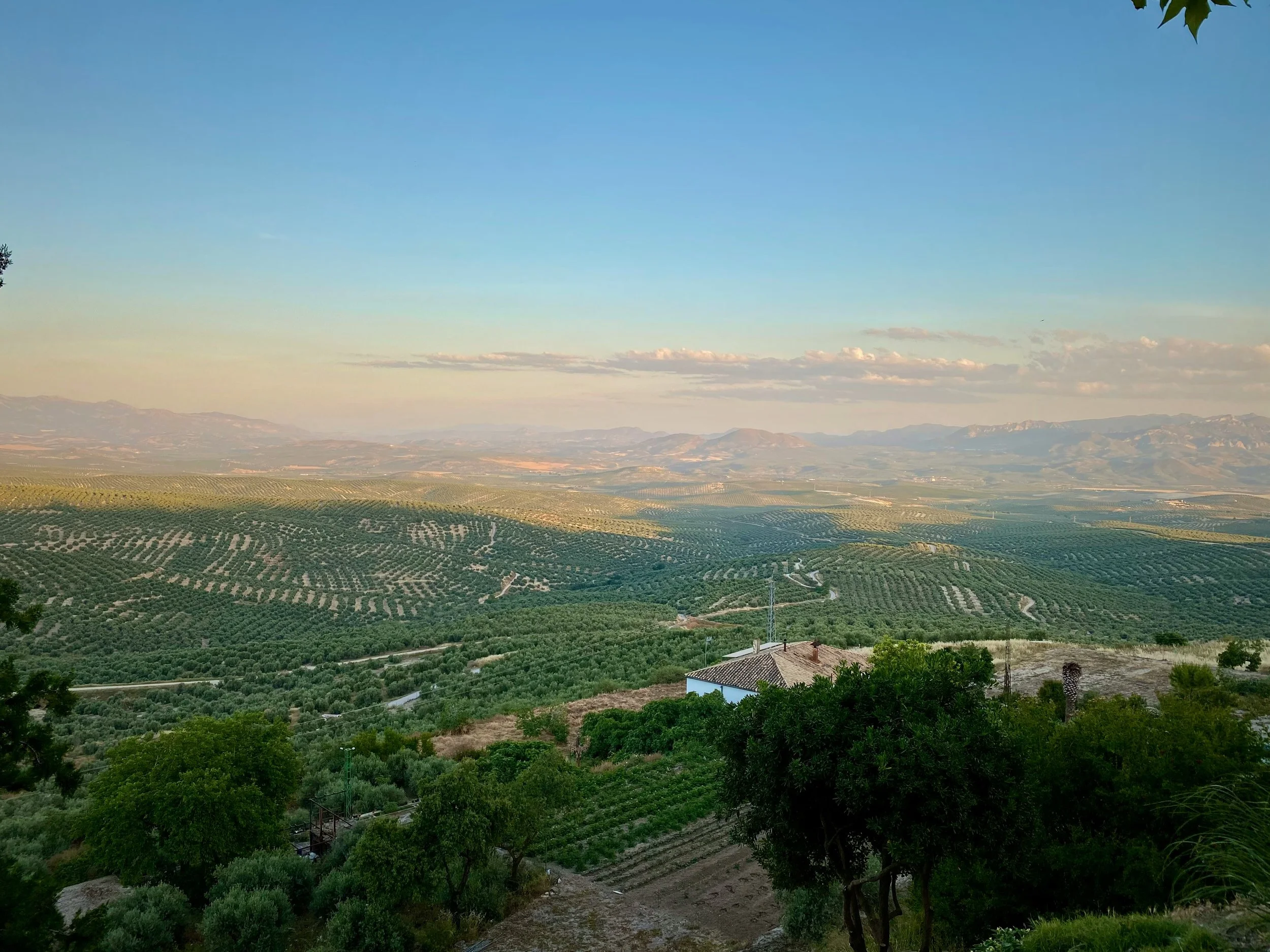
In northeastern Andalusia lies Jaén, a province whose landscape is dominated by olive trees.
Often described as the world's olive oil capital, Jaén is home to one of the greatest concentrations of olive groves anywhere in the world.
Here, olive cultivation is more than an agricultural activity. It is a tradition passed down through generations, connecting families to the same land for centuries.
The region's climate, with hot, dry summers and cooler winters, provides favorable conditions for olive cultivation. Among its most important varieties is Picual, prized for producing oils with intense green-fruit aromas, distinctive bitterness and peppery notes.
Although Jaén has historically been associated with large-scale olive oil production, it is also home to producers who have elevated extra virgin olive oil into a product celebrated for its complexity, quality and craftsmanship.
From Olive Grove to Extra Virgin Olive Oil
Producing exceptional extra virgin olive oil begins long before the olives reach the mill.
Throughout the year, growers carefully monitor the trees, soil and fruit, making decisions that influence both the quality and character of the final oil.
The Harvest
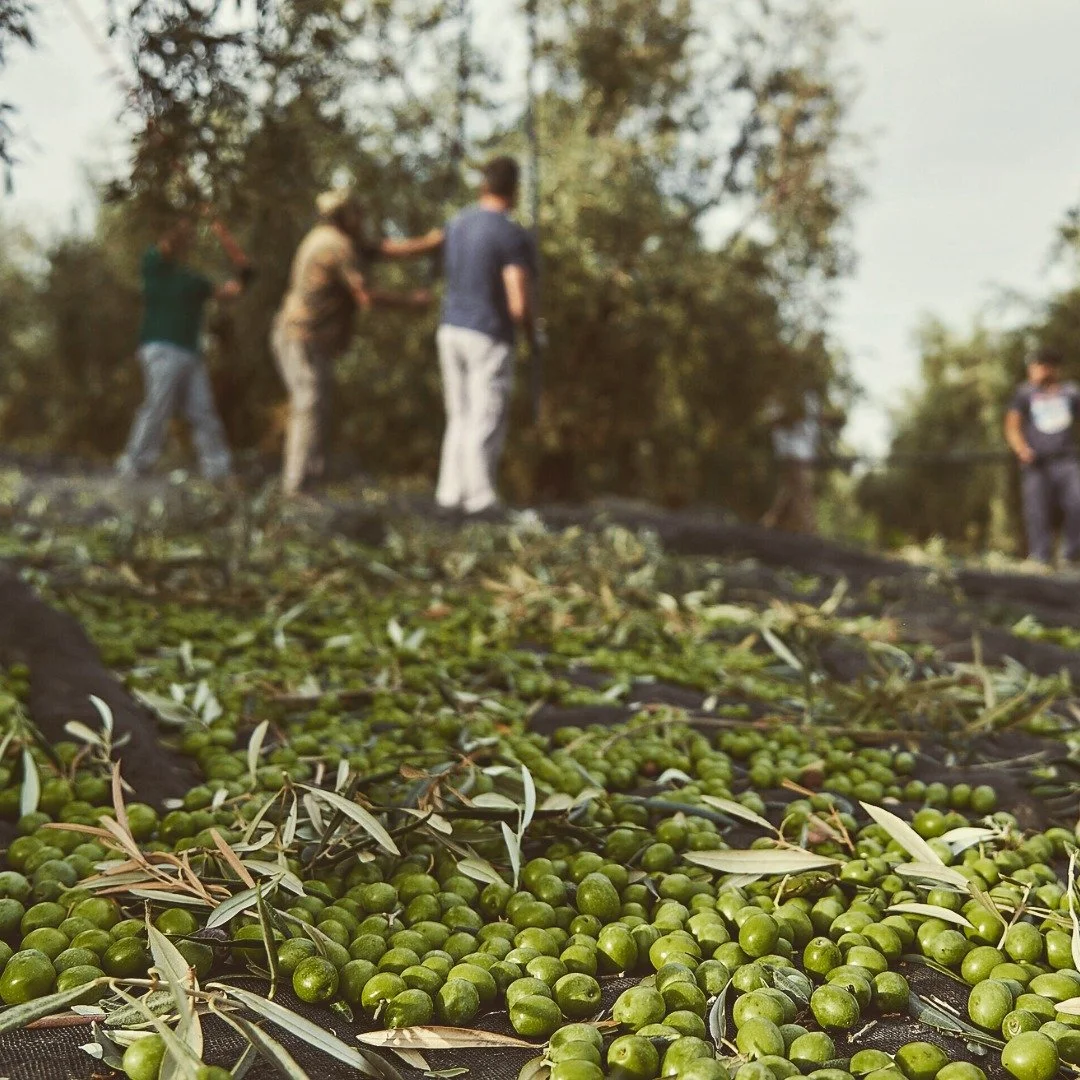
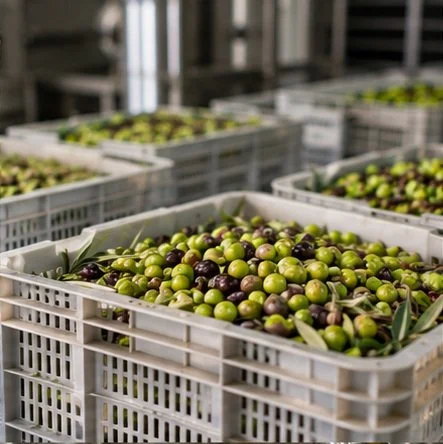
Olives are typically harvested in autumn and winter, although the exact timing depends on the variety, growing conditions and desired flavor profile.
For premium extra virgin olive oil, producers often choose to harvest early, when the olives are still green or beginning to ripen.
These fruits generally yield less oil, but can produce particularly aromatic oils with pronounced herbal, fruity and peppery characteristics.
From Fruit to Paste
Once harvested, the olives are transported to the mill, where leaves and other debris are removed before the fruit is washed when necessary.
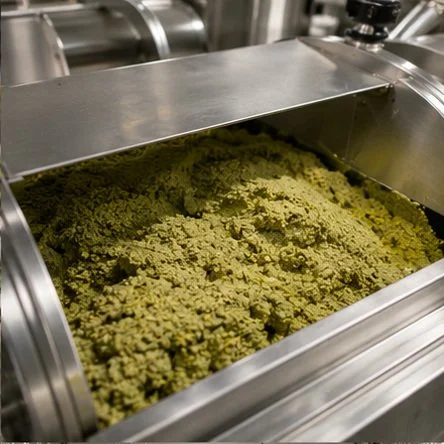
The olives are then crushed into a paste containing the pulp, skin and pits.
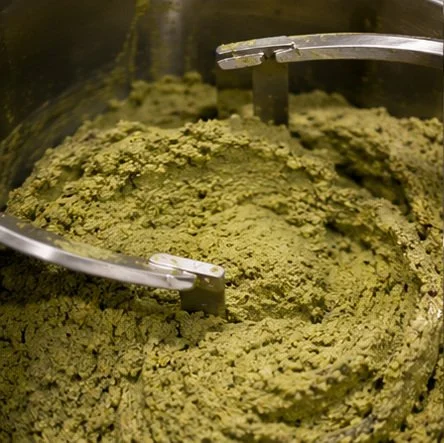
This paste undergoes a process known as malaxation, in which it is slowly mixed to allow tiny droplets of oil to combine, making extraction possible.
Cold Extraction
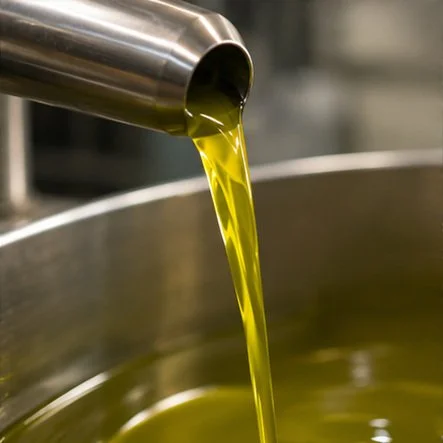
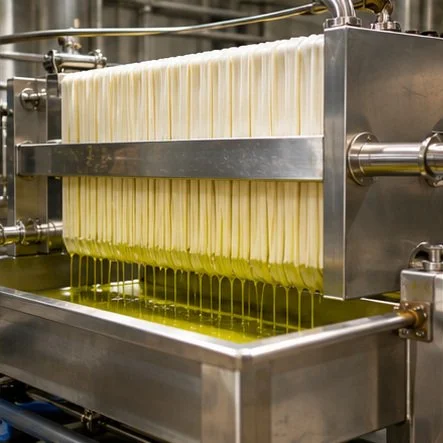
Modern mills commonly use centrifuges to separate the oil from the water and solids naturally present in the olive paste.
For oil to be described as cold-extracted under European standards, extraction must take place below 27°C.
Careful temperature control helps preserve the oil's aromas and sensory qualities.
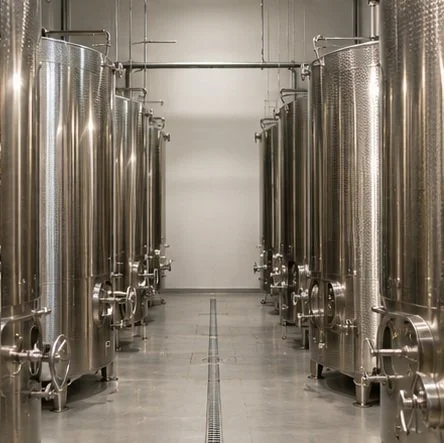
The oil may then be filtered and stored in carefully controlled conditions to protect it from oxygen, heat and light before bottling.
What Makes an Olive Oil Extra Virgin?
Extra virgin olive oil is the highest recognized grade of virgin olive oil.
It must be obtained directly from olives using mechanical or other physical processes, without chemical refining, and meet strict chemical and sensory quality standards.
A high-quality extra virgin olive oil can reveal an extraordinary range of aromas and flavors, from freshly cut grass and green tomato to artichoke, almond and aromatic herbs.
Its bitterness and peppery finish are not necessarily imperfections. In a well-balanced oil, they are often desirable characteristics associated with naturally occurring phenolic compounds.
As with fine wine, the variety of olive, growing conditions, harvest timing and production methods all contribute to the final expression.
A Family Legacy in the Olive Groves of Andalusia
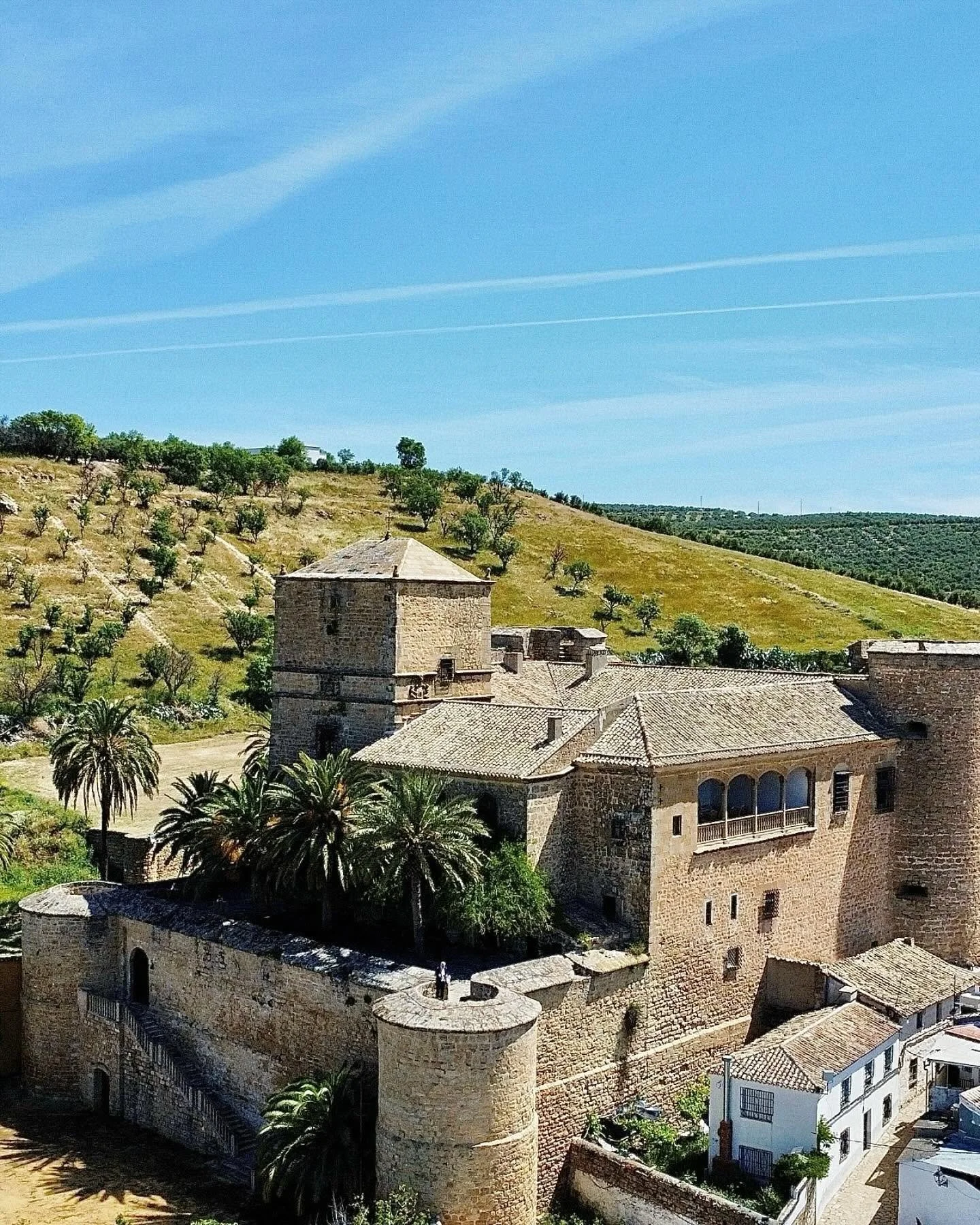
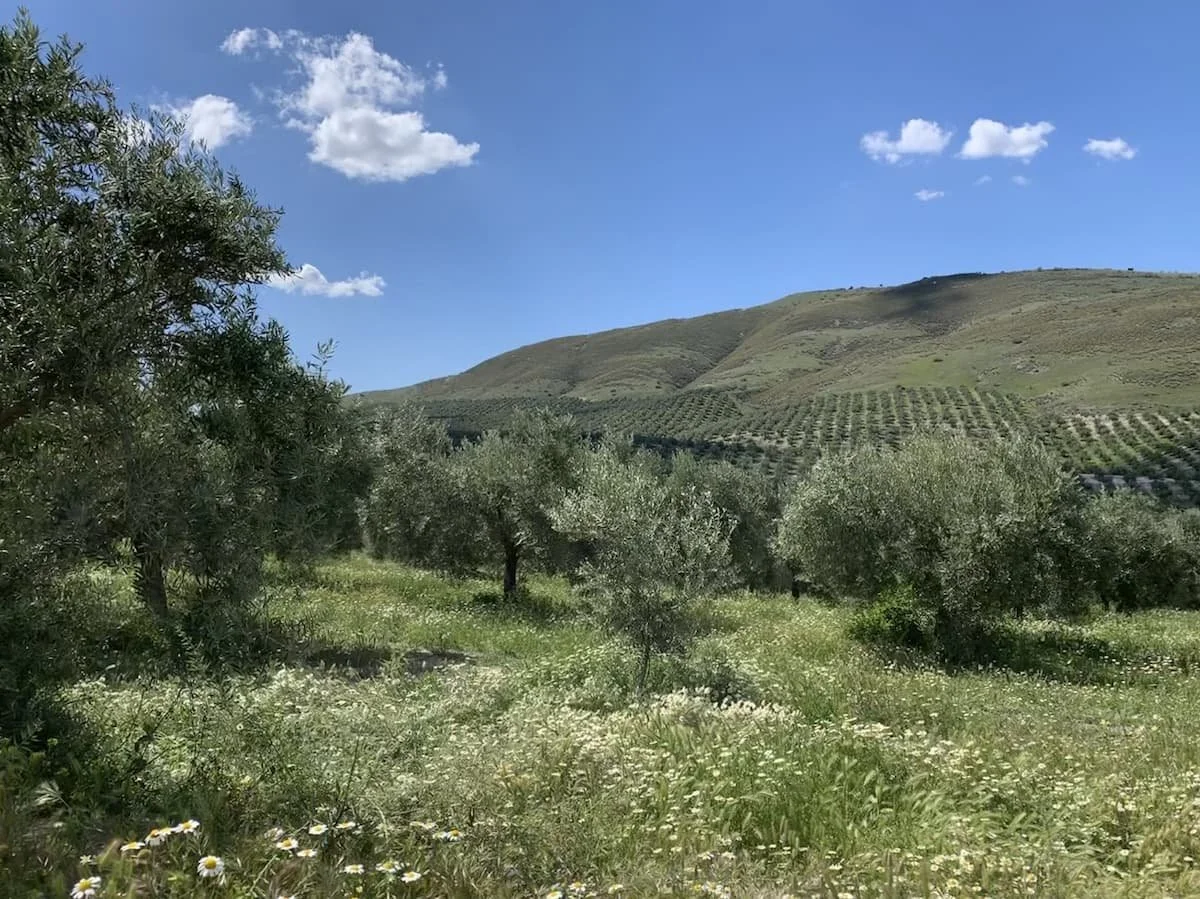
To discover this tradition beyond the bottle, Ángeles Sánchez collaborates with one of Spain's most distinguished olive-growing families, whose connection to the land and production of olive oil spans more than two centuries.
Across generations, the family has transformed its agricultural heritage into an internationally recognized premium extra virgin olive oil producer, combining traditional expertise with modern techniques and a commitment to quality.
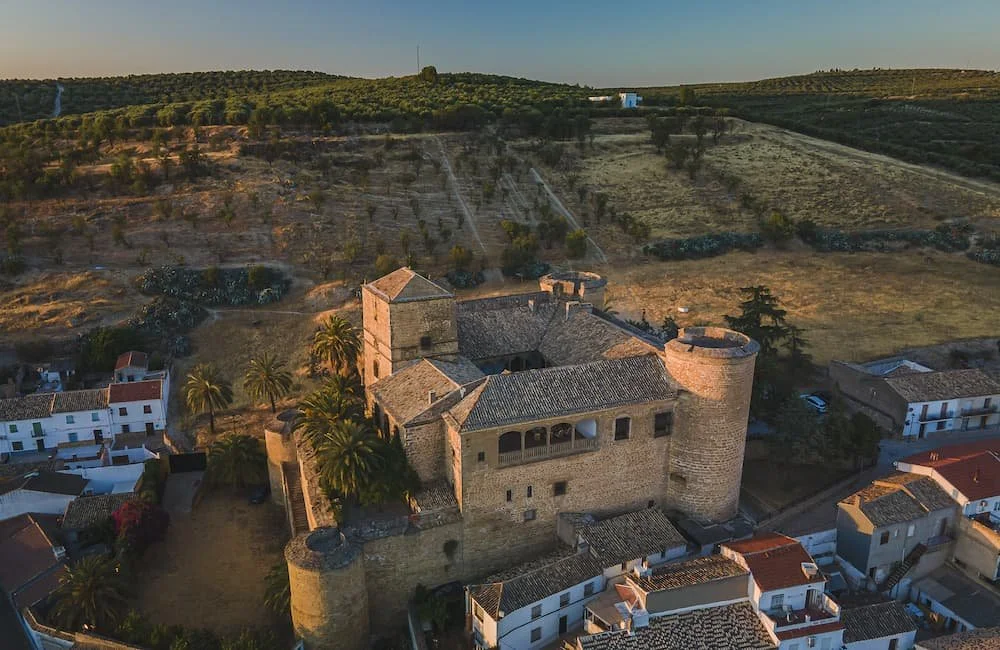
At the center of the estate stands a magnificent Renaissance castle, transformed into a palace in the 16th century by renowned Spanish architect Andrés de Vandelvira.
Still belonging to the family today, the residence preserves centuries of architectural heritage and offers an extraordinary setting in which to discover the story behind the estate.
Through a personal agreement with the family's leadership, Ángeles can arrange private experiences that go beyond the visits ordinarily available to the public.
Guests can explore the historic residence, discover the olive groves and gain a deeper understanding of the production process behind exceptional extra virgin olive oil.
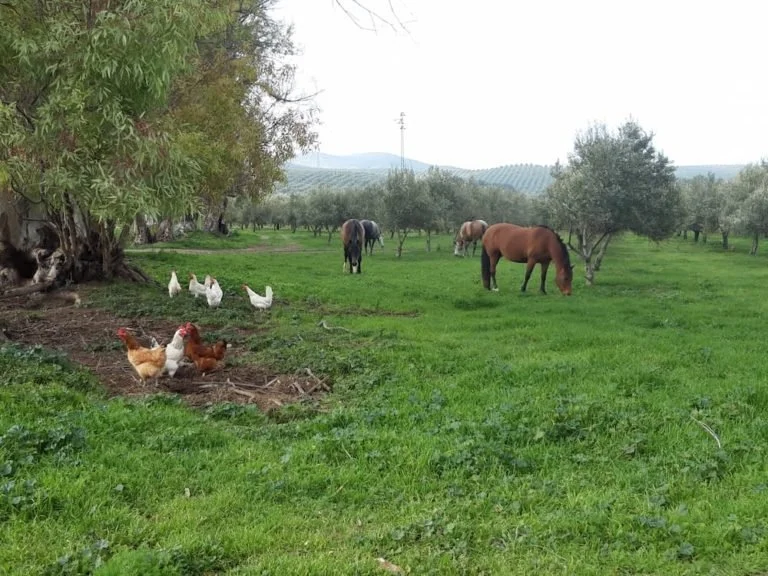
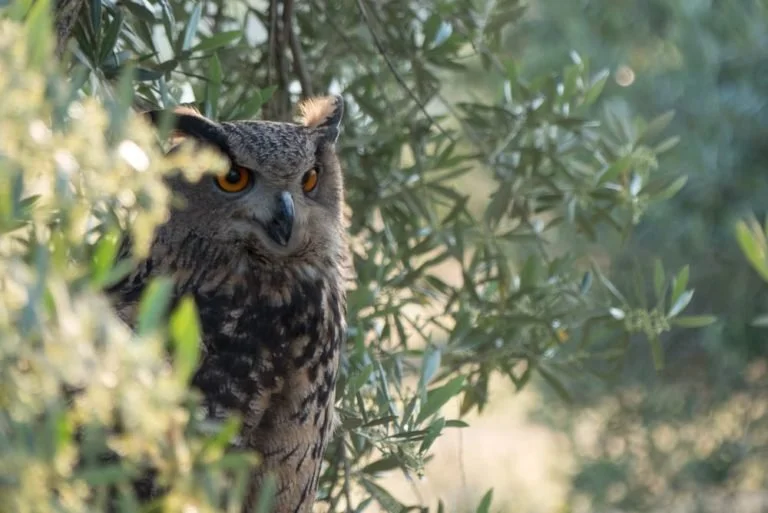
The surrounding estate also offers an opportunity to discover the relationship between olive cultivation and the natural environment. Its groves provide habitats for native plants, wildlife and birds, supported by initiatives dedicated to biodiversity and the conservation of local species.
The experience can culminate in a private dining occasion, bringing together the estate's olive oil, regional cuisine and the atmosphere of an exceptional family residence.
Rather than simply visiting an olive oil producer, guests are invited into a family legacy, discovering the traditions, craftsmanship and personal stories that have shaped the estate for generations.